Best Time to Visit Wahiba Sands: Month-by-Month Weather (2026)
How the desert changes through the year, which months are comfortable, when to avoid the heat, and the best windows for stars and photography.
The month-by-month scorecard
Representative day highs and night lows by month. Cool-season bars (October to March) mark the comfortable window; summer tops 40C.
When is the best time to visit Wahiba Sands overall?
The best time to visit Wahiba Sands is October to March, the cool season, when daytime highs sit in the mid-20s to low-30s Celsius and the light is soft. November through February is the sweet spot. Summer, May to September, regularly tops 40C and is best avoided for anything outdoors.
Match the departure point, trip length and included activities to the plan above.
At A Glance: Private 4WD trip with an English-speaking guide, Desert Rose Camp standard-room accommodation, dinner and breakfast.
Explore The One-Night Camp StaySeason is the first thing to settle when planning a desert trip, because weather shapes the whole experience: whether midday is pleasant or punishing, how warm the nights are, and how comfortable you sleep. Across the cool months the air is dry, rain is rare, and the low humidity makes even a warm afternoon feel manageable. Oman's tourism board points visitors to the same October to March window on its A'Sharqiyah Sands page.
The coolest months bring one trade-off worth knowing: the nights get genuinely cold, sometimes into single digits, so a warm layer is not optional in December and January. The seasonal trips Wahiba Sands Tours lists all cluster in the cooler half of the year for good reason, since that is when the dunes are at their friendliest for camping, camel rides and long walks.
Think of the desert year as two halves with two short hinges. October eases the summer's grip, March tips back toward it, and the four months between them are where nearly every good trip happens. Because the sands sit inland and dry, the daily swing between afternoon warmth and pre-dawn cold is wide all season, wider than the coast, so plan for both ends of the day whenever you go. Get the month right and everything else, sleep, activities, comfort, follows from it.
| Season | Months | Feel | Verdict |
|---|---|---|---|
| Peak cool | Nov, Dec, Jan, Feb | Warm days, cold nights | Best, book ahead |
| Shoulder | Oct, Mar | Warm to hot days | Very good |
| Building heat | Apr | Hot afternoons | Dawn and dusk only |
| Summer | May to Sep | Fierce daytime heat | Best avoided |
Curious about using the cooler season for a complete night? Discover a standard camp-room itinerary with sunset and sunrise.
Discover The One-Night Camp StayWhat is the weather like month by month?
October and March are warm shoulder months, still hitting the low-to-mid 30s by day. November to February are the mildest, roughly 25 to 30C in the afternoon with cool evenings. April warms fast, and from May the daytime heat climbs past 40C, holding there through the summer until it eases again in October.
Reading a month scorecard makes the pattern obvious: the year splits cleanly into a comfortable half and a harsh half. The pleasant window opens in October and closes in March, bracketing four peak months where days are warm rather than hot and the sun is kind to photographers. Rainfall is minimal in any month, so you are choosing on temperature, not showers.
Within the good season there is still range. Early October and late March can throw a hot afternoon, while December and January can surprise you with how cold a clear night gets. Plan for the extremes of whichever month you pick, and the desert rewards you. For deeper background on the dune climate, Britannica's overview is a useful reference.
One point the raw numbers hide is how the low humidity changes the feel. A 30C afternoon in dry desert air is far more bearable than the same reading on Oman's humid coast, so the sands can feel pleasant even when the thermometer looks warm. Check the forecast and any route warnings even in the dry season. That leaves temperature and wind as the only real variables, and both point to the same cool-season answer that locals and repeat visitors settle on.
| Month | Day high | Night low | Rating |
|---|---|---|---|
| October | ~33 to 37C | ~22C | Good |
| November | ~30C | ~18C | Excellent |
| December | ~26C | ~13C | Excellent |
| January | ~25C | ~12C | Excellent |
| February | ~27C | ~14C | Excellent |
| March | ~31C | ~17C | Good |
| April to Sep | ~37 to 45C | ~25 to 30C | Hot to extreme |
Plan for choosing a sunset outing for your travel date: check your date before arranging the rest of your trip. This option includes a four-hour Bidiyah safari ending with Omani dinner.
Scheduled departures from Viator. Availability and final price are confirmed on Viator.
4 hours · Bidiyah meeting point, return to start
Camel riding costs extra. No overnight accommodation. Not recommended during pregnancy. Agree the meeting point before arranging transport.
How hot does the summer really get?
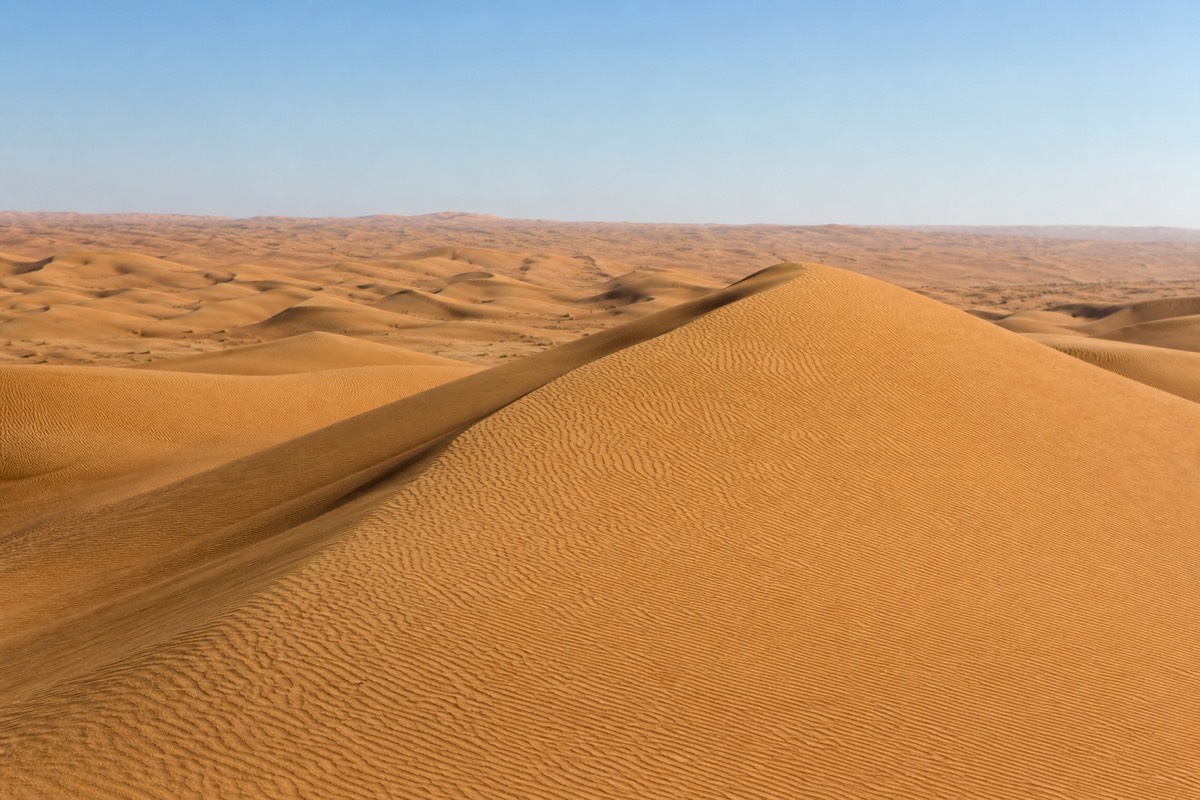
From May to September, daytime temperatures in the sands regularly climb past 40C and can approach 45C in the worst of it. The dunes soak up heat and release it slowly, so evenings stay warm too. Midday activity becomes risky rather than fun, which is why most visitors skip the summer months entirely.
Summer in Wahiba Sands is not a matter of being a bit warm; it is serious heat that changes what is safe to do. The open sand offers no shade, glare bounces off every surface, and dehydration creeps up fast. Even seasoned desert travellers keep summer plans short and shift everything to the cooler edges of the day.
If summer is genuinely your only window, it can still be done with care. Camps run air conditioning, activities move to dawn and late evening, and midday is for resting indoors. You will pay for it in comfort, though, and the experience is a shadow of a crisp winter night. The best time to visit remains firmly in the cool season for almost everyone.
The heat also shortens what you can safely do. In peak summer even short walks between tents can feel draining by mid-morning, and the sand underfoot turns too hot for bare feet or thin soles. Camps respond by front-loading everything into the cool of dawn and pushing the rest to after sunset, leaving a long, idle middle to the day. That rhythm works, but it is a compromise, and it is why the season sells far fewer overnights than the crisp months on either side of it.
| Summer month | Typical day high | Advice |
|---|---|---|
| May | ~40C | Dawn and dusk only |
| June | ~42C | Avoid midday outdoors |
| July | ~43 to 45C | Hardest month |
| August | ~42C | Still extreme |
| September | ~40C | Starting to ease late |
The checked products do not establish a suitable extreme-heat itinerary or a cooled room guarantee. Summer suitability remains unverified; do not use the calendar as a safety check.
How cold do desert nights get?
Clear desert skies let heat escape fast after dark, so nights are far colder than days. In December and January, camp temperatures can drop to single digits Celsius, sometimes near 10C or below. Even in the shoulder months, evenings turn cool. A fleece and a warm layer are essential for any overnight in the cool season.
The overnight chill catches a lot of first-timers off guard. You spend the afternoon in a t-shirt, then watch the temperature fall the moment the sun sets, because dry air and open sky hold almost no warmth. By the small hours a winter night can feel genuinely cold, especially with any breeze moving across the dunes.
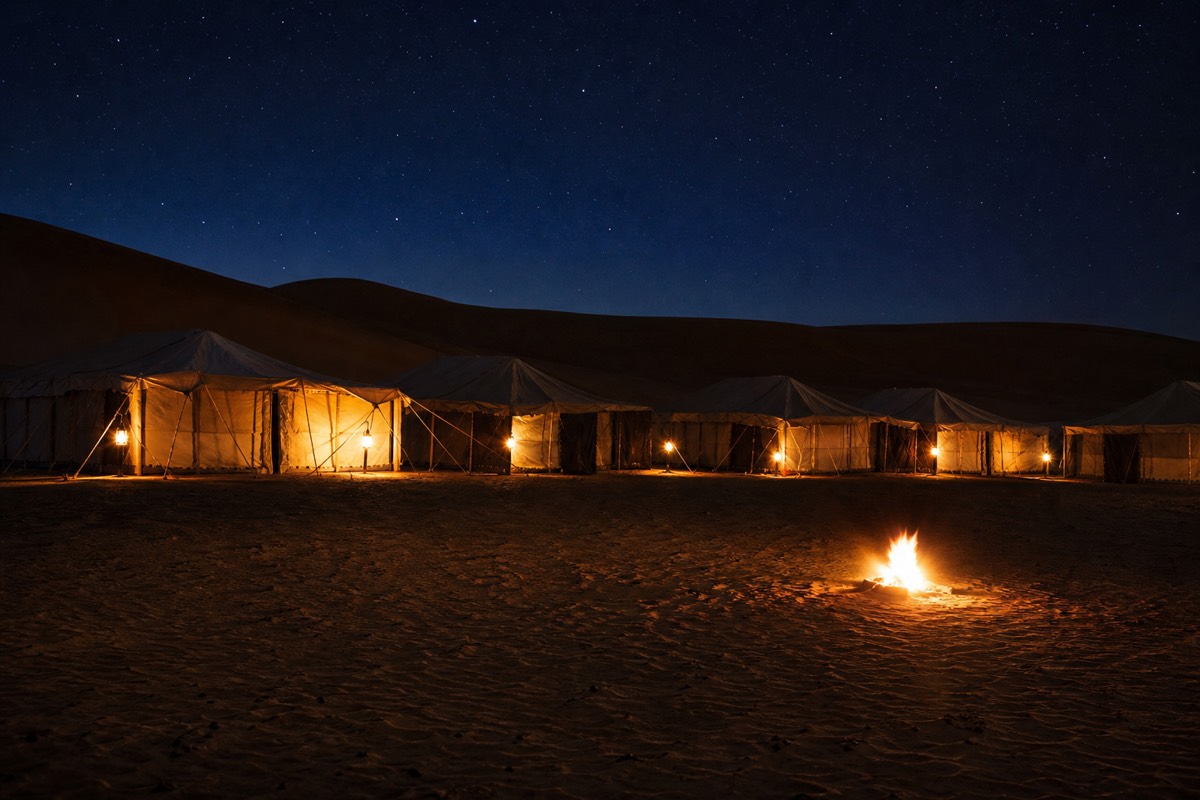
This is why the camp fire and hot dinner matter, and why bedding at a desert camp is heavier than you might expect. Pack a jacket, warm socks and a hat for sleeping if you visit in peak winter. The flip side is that these cold, clear nights produce the sharpest stargazing of the year, so the chill earns its keep.
The size of the drop is what surprises people, not just the low number. A day that touched 27C can fall toward 12C by the small hours, a swing of fifteen degrees under a clear sky, and any breeze makes it feel colder still. Camps counter it with heavier bedding than a hotel would use and a fire to gather around after dinner. Come prepared and the cold becomes part of the appeal, since those same still, cloudless nights are exactly what makes the stars so vivid overhead.
| Month | Night low | What to bring |
|---|---|---|
| Oct | ~22C | Light layer |
| Nov | ~18C | Fleece |
| Dec to Jan | ~12 to 13C | Jacket, hat, warm socks |
| Feb to Mar | ~14 to 17C | Fleece, light jacket |
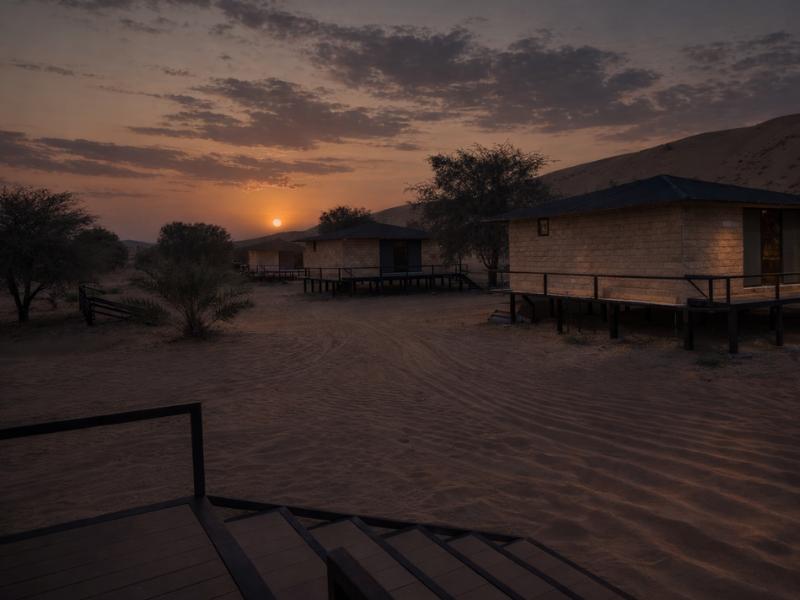
Curious about making the cold night part of the experience? Discover a camp room with dinner before the night and breakfast after sunrise.
Discover The One-Night Camp Stay2 days, 1 night · Muscat pickup and return
Lunch and camel ride cost extra. Confirm your room and any mobility or child-seat requirements before booking.
Do sandstorms and wind affect your trip?
Strong winds can lift sand and cut visibility, most often in the hotter, windier stretch from roughly February to early summer. Full sandstorms are not an everyday event, but breezy afternoons that blow grit across the crests are common. A scarf, sunglasses and a sealed bag for electronics handle the usual conditions easily.
Wind is part of desert life, and the dunes exist because of it, but most days bring nothing worse than a stiff afternoon breeze. That breeze still moves fine sand, so it gets into cameras, hair and every open zip if you let it. Wrapping a scarf across your face on an exposed ridge is standard practice, not drama.
Bigger dust events do happen, more often in the transitional and early-summer months, and they can flatten visibility for a few hours. They tend to pass, and a good camp will simply adjust the day around them. If you visit deep in the cool season, wind is rarely a headline problem, which is one more reason the winter window is the easiest bet.
There is a seasonal logic to the wind worth knowing. The calmest, clearest stretch tends to sit in the depth of winter, while the run into spring and early summer brings more of the gusty afternoons that lift grit off the crests. A blowing day is rarely a write-off, though; visibility usually clears within hours, and a good camp simply shifts the schedule around it. If wind genuinely worries you, weighting your trip toward November through January stacks the odds in your favour.
| Period | Wind and dust | Impact |
|---|---|---|
| Nov to Jan | Generally calmer | Low |
| Feb to Apr | Windier spells | Occasional dusty afternoons |
| May to Sep | Heat-driven wind | Higher, plus the heat |
A scheduled departure is not a weather clearance. Wind-dependent activities and dune routes need the operator's confirmation for the conditions.
Which months are best for stargazing?
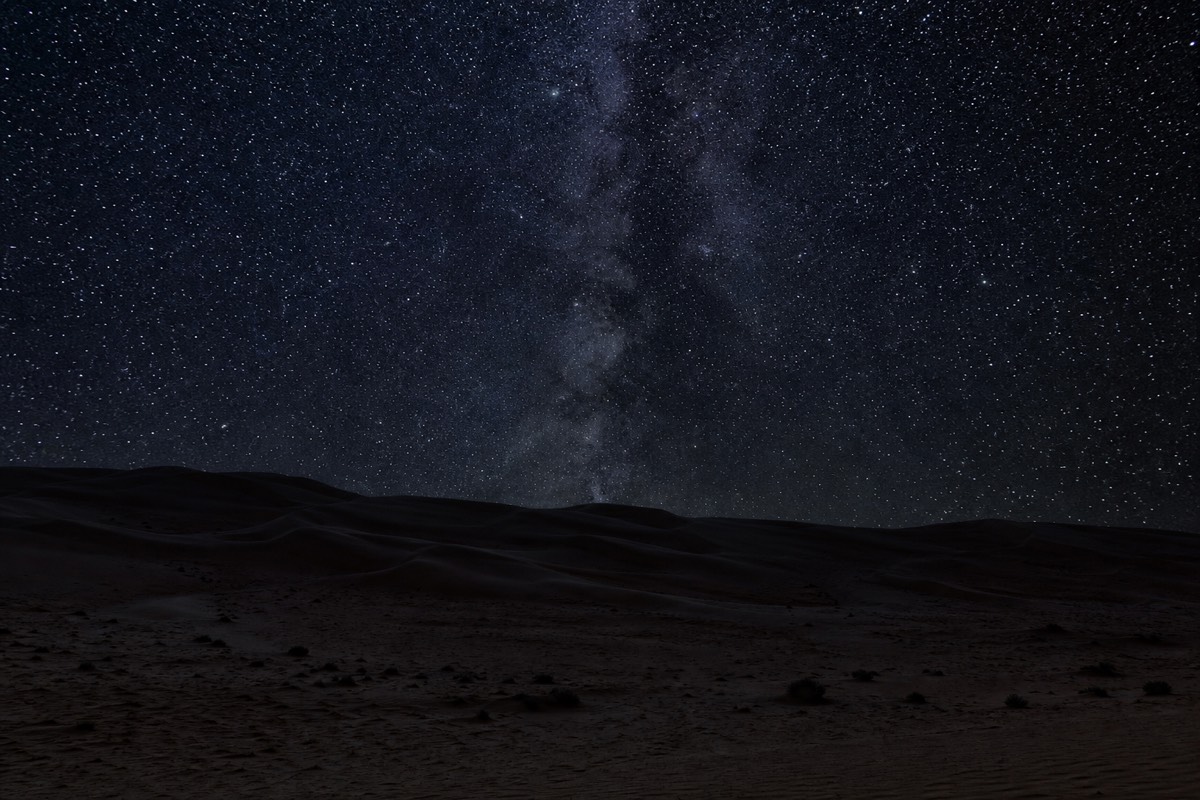
The cool, dry months of November to February give the clearest, steadiest skies for stargazing, with the Milky Way often visible to the naked eye far from city light. Plan your night around the new moon for the darkest sky, and the winter chill actually sharpens the view. Summer haze and heat make stars harder to see.
Wahiba Sands is a proper dark-sky spot once you are away from the gateway towns, and stargazing is one of the quiet highlights of any overnight. The winter months help twice over: the air is dry and stable, and the long nights give you more hours of darkness. On a clear, moonless night the band of the Milky Way is unmistakable.
To get the most from it, check the moon phase and aim for the days around new moon, when moonlight will not wash out the fainter stars. A guided session with a telescope adds planets and detail you would miss on your own. Bundle up, because the same clear sky that shows the stars is the one that makes the night cold.
Timing a session around the sky's own calendar pays off. Beyond the moon, the winter months lift familiar constellations high overhead, and the sheer darkness this far from any town reveals stars that city dwellers rarely see at all. Give your eyes twenty minutes to adjust, keep torches dim or red, and the faint band of the galaxy resolves into something startlingly detailed. A guide with a telescope adds planets, star clusters and the moon's craters, turning a pretty sky into an evening you plan the whole trip around.
| Factor | Best condition |
|---|---|
| Season | Nov to Feb, dry and clear |
| Moon | Around new moon |
| Location | Deep in the dunes, away from town |
| Kit | Warm layers, red torch, optional telescope |
Plan for planning a guided sky session around your night: check your date before arranging the rest of your trip. This option includes a telescope and astronomy guide with the viewing site agreed separately.
Dates and booking provided by GetYourGuide. If the calendar cannot load, use the booking link below.
Check Dates For The Guided Telescope Session1 to 2 hours observing · Observation location agreed with operator
Transport and food excluded. The itinerary names Wahiba Sands but the meeting map points to Muscat: agree the actual observation location before arranging transport. No camp night included.
When is the light best for sunrise and sunset photography?
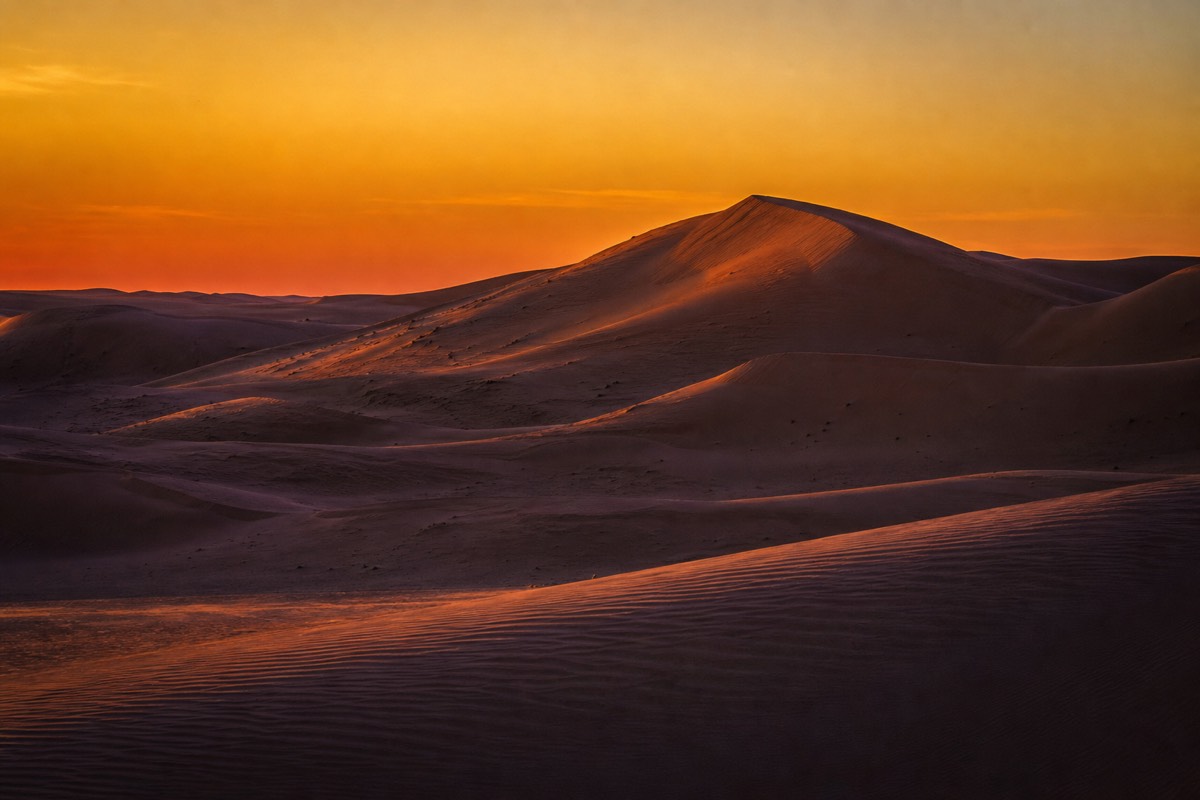
The cool season delivers the cleanest light, with soft, warm tones at sunrise and sunset and crisp shadows across the ridges. Winter's lower sun angle lengthens shadows and deepens the golden hour. A dawn hot-air balloon flight, offered by some operators, gives you that first light from above the dunes.
Photographers plan around the golden hours, and the desert is generous with them in the cool months. At sunrise the crests catch the first warm light while the hollows stay in blue shadow, and the whole field reads in ridgelines. Sunset does the same in reverse, with richer reds as the sun sinks, which is why so many trips schedule dune bashing for that window.
Winter helps because the sun sits lower, so the flattering light lasts longer and the shadows stretch further. For something different, a sunrise hot-air balloon lifts you above the dunes just as the light breaks, a view most visitors never get. Whatever you shoot, keep sand out of your gear and clean lenses often on windy days.
A little planning sharpens the results. Scout a clean ridgeline in daylight so you know where to stand when the light turns, and shoot into the low sun to pull texture out of the rippled sand. The minutes just before sunrise and just after sunset, the blue hour, give you soft, even light and deep colour in the sky. Above all, protect the camera: fine sand is the real enemy of desert photography, so change lenses inside a bag and wipe everything down before it goes away.
| Window | Light | Try |
|---|---|---|
| Sunrise | Soft, cool then warming | Ridgelines, balloon flight |
| Golden hour, dusk | Warm, deep reds | Dune bashing, long shadows |
| Night | Starlight | Milky Way, light painting |
Curious about seeing the dunes from above in morning light? Discover a balloon experience with about 50 minutes aloft.
Scheduled departures from Viator. Availability and final price are confirmed on Viator.
2-hour experience, 50-minute flight · Selected Wahiba camps only
Weather dependent. Other camp transfers cost extra. Moderate fitness required; not recommended during pregnancy or for spinal or cardiovascular conditions. Guide language unverified.
How busy is each season, and when should you book?
The cool months are peak season, so the best desert camps fill fastest on weekends and around holidays. European winter breaks and regional holiday periods bring the biggest crowds. Book several weeks ahead for November to February, especially for private camps, and expect more space and lower demand at the shoulders.
Popularity follows the weather, so the same months that feel best also draw the most visitors. Weekends see local families and Muscat day-trippers, while the deeper winter pulls international travellers escaping the cold at home. None of this makes the desert feel packed, since the sands are vast, but it does tighten camp availability.
If you want a specific camp or a private overnight in peak season, reserve early rather than gambling on a last-minute spot. The shoulder months of October and late March are a quieter, still-comfortable alternative if flexibility matters more to you than perfect temperatures. Midweek nights are calmer than weekends in any month.
Regional and religious holidays shift the crowd calendar as much as the weather does. School breaks and long weekends fill camps with Omani and Gulf families, while the deep-winter weeks draw the most visitors escaping colder countries. None of it makes the open desert feel busy, since the dunes swallow people easily, but it does decide whether your first-choice camp still has a tent free. Booking a few weeks ahead for peak dates, and leaning to midweek where you can, keeps your options open.
| Period | Crowds | Booking advice |
|---|---|---|
| Nov to Feb | Highest | Book weeks ahead |
| Oct, Mar | Moderate | A few days ahead is fine |
| Weekends and holidays | Busiest | Reserve early, or go midweek |
| Summer | Quietest | Space, but extreme heat |
Plan for setting the desert night before the surrounding hotels: check your date before arranging the rest of your trip. This option includes one night at Desert Rose Camp with Muscat pickup and return.
Check Dates For The One-Night Camp StayWhat should you wear for the season you pick?
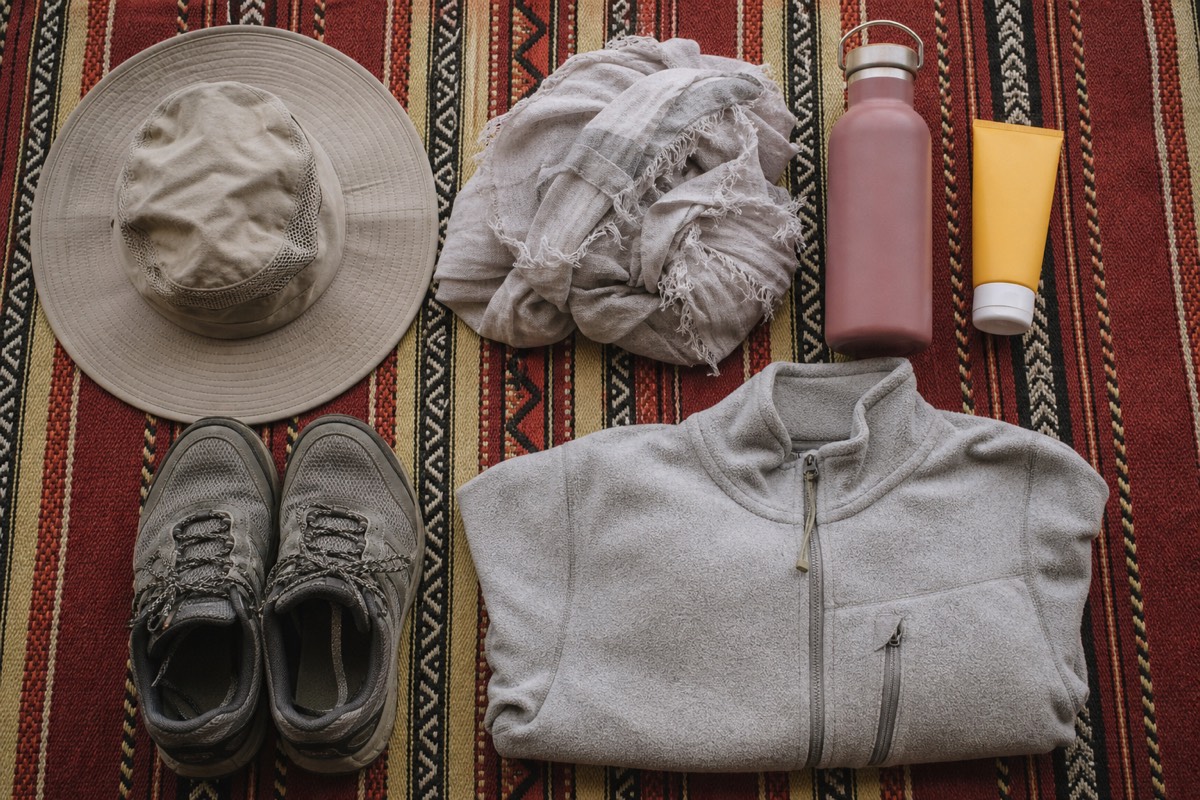
Whatever the month, dress in layers: light, breathable clothing for hot days and a warm fleece or jacket for cool nights, plus a scarf, hat and sunglasses year-round. In peak winter add a proper jacket and warm socks for the evening. Summer visitors need maximum sun cover and far more water.
Seasonal packing is really about the size of the day-to-night swing. In the cool months you might start in a t-shirt and finish the evening in a fleece and jacket, so bring both and layer up as the sun drops. A scarf earns its place all year, shading you by day and blocking wind-blown sand on the ridges. For the full kit, see our detailed what to pack guide.
Summer flips the priorities toward heat management: loose long sleeves for sun cover, a wide hat, and more water than you think you need. Footwear matters in every season, with closed shoes for the dunes and sandals for around camp. Match your bag to the month and the desert stops fighting you.
The trick is to pack for the coldest hour and the hottest hour of the day you will actually be there, not the average. In peak winter that means genuinely warm night gear alongside sun cover; in the shoulder months a fleece is usually enough after dark. Fabrics matter too, with breathable natural layers beating heavy synthetics for the dry heat. Get the seasonal balance right and you spend the trip comfortable, instead of sweating through the afternoon or shivering through the small hours.
One more seasonal note: daylight length shifts with the calendar too. Midwinter brings shorter days and long, dark nights, which suits stargazers and anyone who likes a slow start, while the shoulder months stretch the useful light at both ends of the day. If your plans hinge on a sunrise balloon flight or an early camel ride, the cooler months make those dawns comfortable rather than a fight against the heat. Rain, when it comes at all, arrives as a rare winter shower that passes quickly and leaves the air even clearer. Line the month up with what you most want to do, whether that is stars, soft light or simply an easy afternoon, and the trip almost plans itself.
| Season | Day wear | Night wear |
|---|---|---|
| Peak winter | Light layers, sun cover | Jacket, warm socks, hat |
| Shoulder | Breathable clothing | Fleece, light jacket |
| Summer | Loose long sleeves, big hat | Light layer, still warm |
Curious about putting sunset layers to use on a shorter visit? Discover a local sunset-and-dinner itinerary from Bidiyah.
Discover The Bidiyah Sunset Trip