Is Wahiba Sands Good for Families with Kids?
Kids remember the desert for years, so long as the trip is built around their pace and not the drivers'.
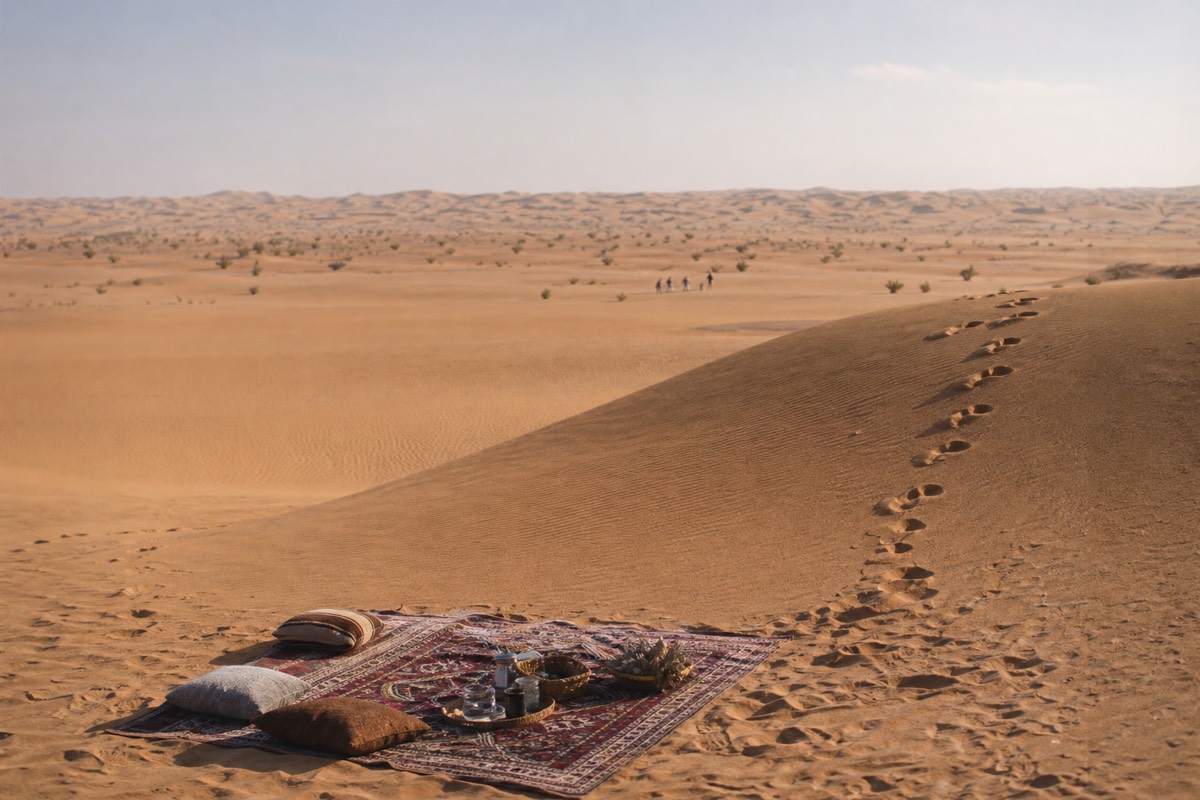
Which activity suits which age
Our practical read for families; ratings are guidance, not rules, and a good guide adjusts to your kids.
Is the desert a good trip for children?
Yes, with sensible caveats. Wahiba Sands is a family favourite because the sand itself is a giant playground: kids run the dunes, roll down them, ride camels and sleep under the stars. The caveats are heat, the intensity of hard dune driving, and long transfers, all of which are easy to manage with the right tour.
Use the operator’s age and restraint requirements before choosing the itinerary. These are options to confirm, not a family-suitability result.
At A Glance: Private 4WD trip with an English-speaking guide, Desert Rose Camp standard-room accommodation, dinner and breakfast.
Explore The One-Night Camp StayMost children take to the desert instantly. The sand is soft, the space is open, and there are no roads or crowds to worry about once you leave the highway. A family that plans around the child's stamina, rather than cramming in every activity, almost always has the better day.
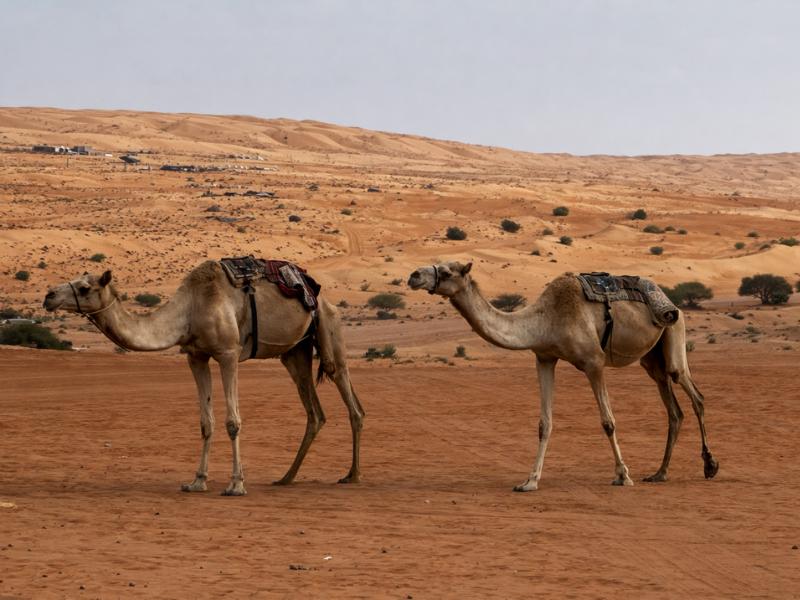
The trick is matching the trip to your kids. A relaxed camp with a camel ride and a sandboard suits nearly any age, while a full day of hard driving and long stops does not. Read the tour description for pace, transfer time and what is actually included before you book, and treat the age guidance below as a starting point rather than a rulebook.
Manage your own expectations too, since a relaxed adult holiday and a good family day are not the same thing. Children want to dig, roll, climb and splash more than they want to admire a view, and the desert happens to be one enormous sandpit that delivers all of that. Build the day around a couple of anchor activities, leave slack for meltdowns and naps, and you get the version of the sands that ends with tired, happy kids rather than a long argument in a hot car.
Snacks and water do more for a family's mood than any single activity. Hungry, thirsty children melt down fast in the heat, so keep a steady supply within reach and offer both far more often than you would at home. A shaded spot to retreat to, whether a tent, a canopy or the car, is the other quiet essential. Get those two things right and almost everything else on a desert day becomes forgivable, even a nap that eats into your dune time.
Curious about checking a concrete camp-room itinerary for your family? Discover a private Muscat overnight with a standard room, dinner and breakfast.
Discover The One-Night Camp StayWhat ages handle Wahiba Sands best?
School-age children, roughly five and up, tend to get the most out of it, since they can walk the dunes, sit a camel and stay out through the cooler evening. Toddlers and babies can go too, but need shade, constant hydration and a gentler plan. Teenagers usually love the sandboarding and the driving.
Younger children are welcome, and many operators carry families with toddlers. The limiting factors are heat and nap timing, not the desert itself. Bring a carrier for soft sand, keep to morning and evening activity, and let little ones rest through the hottest part of the afternoon inside a shaded tent.
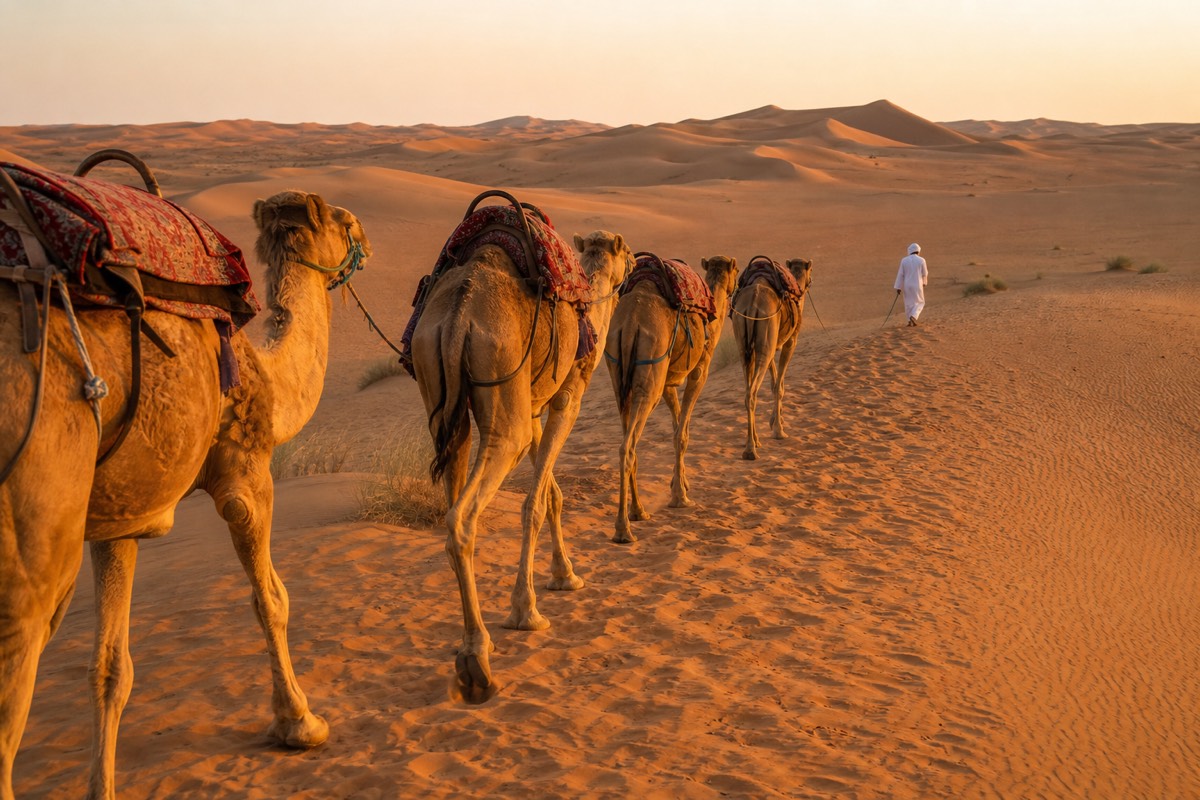
Older kids can handle more: a climb up a big dune, a longer camel ride, a night watching for shooting stars. Match the ambition to the child and follow the operator’s minimum age and activity restrictions, and nobody ends up overtired or overwhelmed.
Babies and toddlers change the logistics more than the destination. A soft carrier beats a buggy on sand, feeds and naps still rule the timetable, and a shaded tent becomes your base rather than a place you only sleep. Plenty of families bring under-twos and have a lovely time, but they keep the visit short, the pace slow, and their ambitions modest. The desert is not going anywhere, and a calm hour at sunset often beats a packed itinerary that ends in tears.
Involve older children in the plan and they buy in. Let a nine-year-old pick whether the morning is sandboarding or a camel ride, hand a teenager the job of night-sky photographer, and give the little ones a bucket and a mission. Kids who feel some ownership of the day complain far less about the parts they did not choose. It also spreads the excitement out, so there is always a next thing to look forward to rather than one big moment and a long, hot anticlimax.
| Age band | What works well | What to watch |
|---|---|---|
| Under 2 | Short visit, camp play, camel photo | Heat, naps, sun; keep it brief |
| 2 to 4 | Gentle camel ride, sandplay, sunset | Dehydration, tiredness, water safety |
| 5 to 9 | Sandboarding, dune climbs, camp night | Sunburn, motion sickness on drives |
| 10 and up | Dune bashing, longer rides, stargazing | Overheating on active midday plans |
The shared day trip has a listed minimum age of five and excludes child seats. Ages and restraints still need confirmation on other products; this shortlist does not establish suitability for infants or toddlers.
How intense is the dune bashing, and can it be toned down?
Dune bashing can be genuinely thrilling, with steep drops and sharp turns that thrill some kids and frighten others. The good news: a decent driver will dial it down on request. Ask for a gentle drive for younger children, and keep the wild ride for teenagers who actively want it.
The intensity is a choice, not a fixed feature. Experienced drivers read their passengers and adjust the throttle, so a car full of small children gets rolling dunes and giggles rather than stomach-flipping plunges. Say clearly at the start what your family wants; a good guide will happily comply.
Motion sickness is the thing to plan for. Keep children properly restrained in an appropriate rear seat, skip a heavy meal beforehand, carry water and a spare bag, and take the drive earlier when it is cooler. If a child hates it, most camps let the rest of the family swap to a gentler activity without fuss.
Telling the driver what you want is not rude, it is the whole point of a private or small-group booking. A simple line at the start, something like "please keep it gentle, we have young kids", sets the tone for the entire drive. Watch your children's faces on the first descent and adjust from there. Some kids beg for bigger dunes within minutes, while others go quiet and need the calm cruise, and a good driver reads that instantly and matches the ride to the car.
One reassurance worth stating plainly: a skilled driver on the dunes is doing something they have done thousands of times, reading the sand and their passengers at once. The wobble in your stomach is not the same as danger. Seatbelts on, doors closed, a gentle pace for the little ones, and the drive becomes an activity whose restrictions must still be respected. Agree suitable restraints and the actual route before booking for children.
| Drive level | Who it suits | How to set it up |
|---|---|---|
| Gentle cruise | Toddlers, nervous kids, grandparents | Ask for a soft drive, low speed |
| Medium | Most children 5 and up | Some dips, driver eases off on request |
| Full dune bashing | Teens and thrill-seeking adults | Say you want the big descents |
No guaranteed no-bumps route was verified. A private driver is not evidence that dune riding is suitable for a particular child or medical requirement.
What can kids actually do in the sands?
Plenty. Beyond the drive there is a slow camel ride, sandboarding down a dune, barefoot dune-climbing, sunset photos and after-dark stargazing. Day trips that pair the desert with the emerald pools of Wadi Bani Khalid add a proper swim, which many families rate the highlight of the whole outing.
A camel ride at a walking pace is the gentlest introduction, and even nervous toddlers usually manage it with a parent alongside. Sandboarding needs nothing more than a board and a willing kid, and the same dune works as a natural slide for hours. The Bedouin hosts at many camps are patient and warm with children.
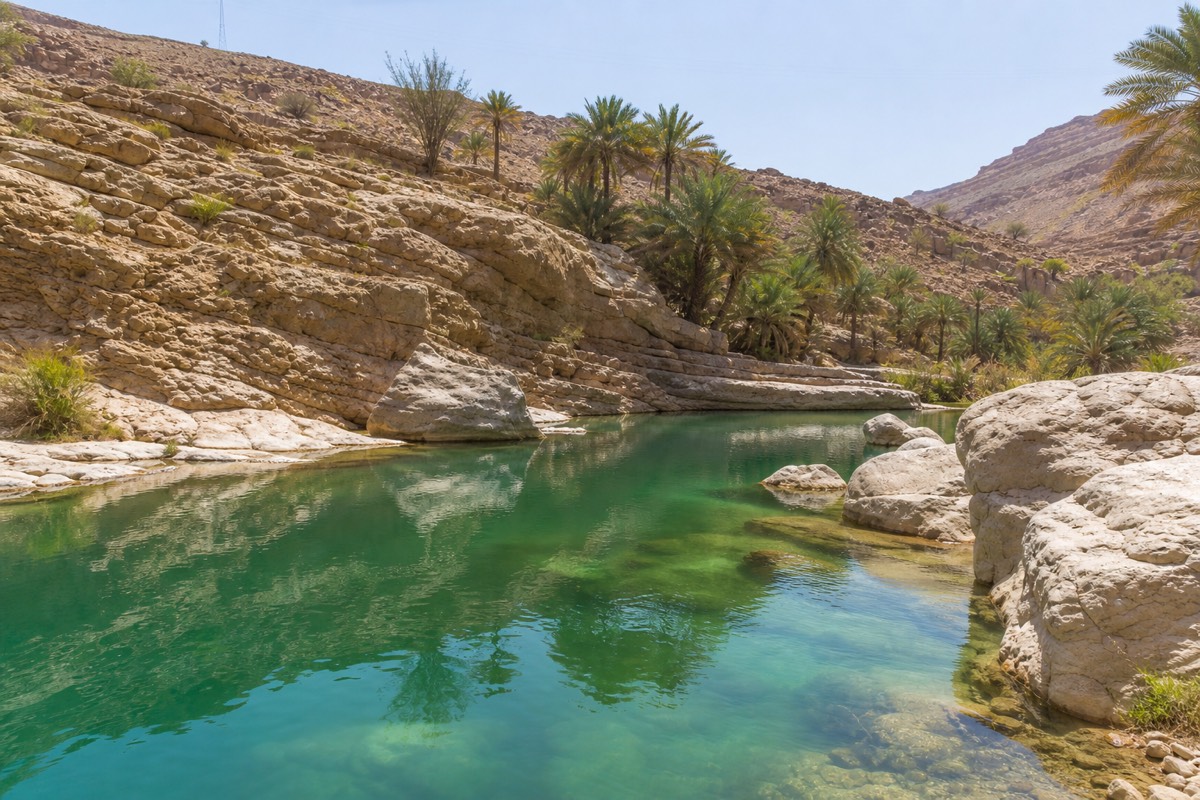
Water is the wildcard that keeps everyone happy. A stop at Wadi Bani Khalid, with its shaded pools and easy paddling, breaks up the heat and gives kids somewhere to burn energy that is not baking sand. After dark, the sky does the entertaining: with no city glow, the stargazing is superb, and even young children stay quiet for a shooting star.
There is more to fill a day than the headline activities. Kids love meeting the camels up close, helping to pour the sweet cardamom coffee at a Bedouin welcome, and hunting for beetle tracks in the fresh morning sand. A simple bucket and spade turns any dune into hours of play, and older children enjoy trying to photograph the light as it shifts. None of it needs a ticket, and the unstructured sandplay is often what they talk about long after the trip is over.
The wadi swim deserves special mention because it rescues so many family days. When the dunes have baked everyone flat, the cool, shaded pools of Wadi Bani Khalid are exactly the reset a tired child needs. Water shoes help on the rocks, a close eye matters where the pools deepen, and a change of dry clothes makes the drive home far happier. Many parents tell us the swim, not the sand, is the moment their kids beg to do again.
| Activity | Good from age | Family notes |
|---|---|---|
| Camel ride (walking pace) | Toddler, with a parent | Gentlest option; short is best |
| Sandboarding | About 5 | Soft landings; endless repeats |
| Wadi Bani Khalid swim | Any, supervised | Cool break; watch depth with toddlers |
| Stargazing | Any | Bring a warm layer for the night |
| Dune bashing | About 6, gentle | Confirm child restraints and operator age rules |
Plan for seeing how a dunes-and-wadi day is arranged: check your date before arranging the rest of your trip. This option includes a Muscat itinerary with optional quad riding selected separately.
Dates and booking provided by GetYourGuide. If the calendar cannot load, use the booking link below.
Check Dates For The Wadi-And-Dunes Day9 hours · Muscat hotel pickup and return
Quad only if selected; lunch excluded during Ramadan. Not suitable during pregnancy or for back, mobility or heart problems. Confirm child restrictions.
Are the desert camps comfortable for families?
The better camps are very family-friendly. Expect proper beds in tents, private or shared bathrooms, buffet meals kids will eat, and a campfire under the stars. Standards vary a lot, so read what each tour includes before booking rather than assuming every desert camp is the same.
Family-oriented camps offer solid tents with real beds, fans or air conditioning in the warmer months, clean bathrooms and simple, generous food. The tents and shared spaces are set up for groups, so families rarely feel cramped. Ask whether bathrooms are private or shared, and whether the camp runs a kitchen that can handle fussy eaters.
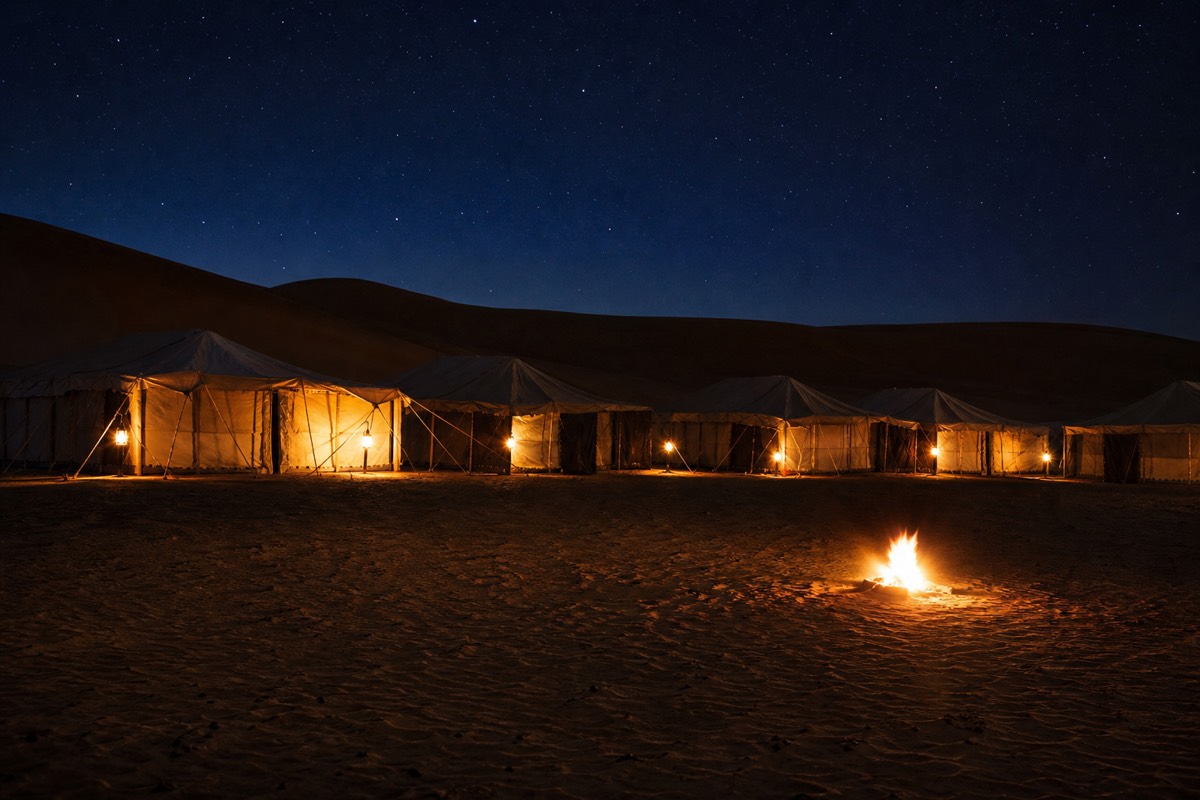
The where-to-stay question is really about comfort level. A basic camp is fine for one adventurous night, while a more polished option earns its price when you have young children who need routine, cool air and an easy bathroom trip at 2am.
Ask a few direct questions before you commit. Are bathrooms private to your tent or shared across the camp? Is there air conditioning or only a fan, which matters enormously outside the coolest months? Can the kitchen do plain rice, bread or pasta for a fussy toddler alongside the buffet? Family-focused camps answer these easily and cheerfully, and the reply you get is a decent early signal of how well the whole night will run once small children are tired and the light has gone.
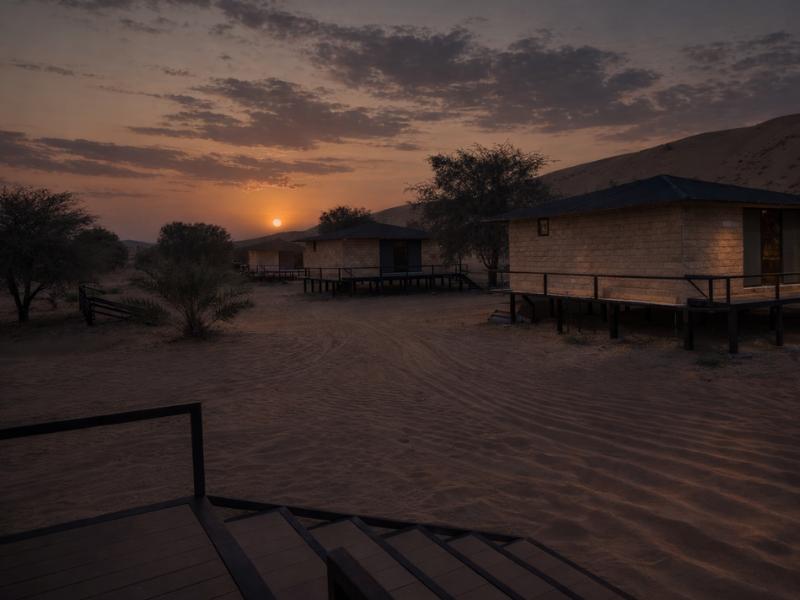
Curious about comparing a real room instead of a generic camp tier? Discover the standard Desert Rose Camp itinerary, with family occupancy and facilities to confirm.
Discover The One-Night Camp Stay2 days, 1 night · Muscat pickup and return
Lunch and camel ride cost extra. Confirm your room and any mobility or child-seat requirements before booking.
Day trip or overnight with kids: which is better?
For most families, staying overnight wins. A day trip means a hot round-trip drive in one go, while an overnight catches the cool sunset, a starry night and a soft sunrise at a child's pace. A day trip still works if your kids are young, easily tired, or short on time.
The maths is about heat and hours in a vehicle. Deciding between a day trip and staying overnight comes down to how your children handle transfers and temperature. An overnight spreads the same activities across two calmer halves of the day, with a proper rest in between, which is exactly what younger kids need.
A day trip is not a lesser choice for every family. If your children are content in a car, or you only have one free day, a well-run full-day tour packs in dunes, a camel ride and often a wadi swim without an overnight bag. The table lays out the trade-off.
Be realistic about the driving either way. The desert sits a few hours from the main cities, so a day trip is a long there-and-back with the hottest hours spent in the middle of it. Break the journey with stops, keep snacks and water within reach, and load a few downloaded shows for the transfer. Kids who travel well can absolutely do it in a day, while kids who wilt in a hot car have a far better time spread across an overnight, with a proper rest between the drive out and the drive home.
On cost, a group tour is the budget-friendly choice and works well for easygoing families, while a private trip buys control that is worth real money when you have young children. Private means the driver eases the dunes the instant a toddler frowns, the schedule bends around a nap, and nobody else is waiting while you sort out a meltdown. Weigh the saving against the stress: for some families the group price is a bargain, for others the private calm pays for itself before lunch.
| Factor | Day trip | Overnight camp |
|---|---|---|
| Heat exposure | Harder; more midday desert | Easier; activity at cool ends of day |
| Driving in one go | Long round trip | Split across two days |
| Stargazing | Missed | Included, a real highlight |
| Best for | Very young kids, tight schedules | Most families, ages 4 and up |
Plan for weighing a shared day against the night away: check your date before arranging the rest of your trip. This option includes a nine-hour Muscat route with a listed minimum age of five.
Scheduled departures from Viator. Availability and final price are confirmed on Viator.
9 hours · Muscat pickup and return
Ages 5+. Child seats and life jackets excluded. Camel rides cost extra; quad only in the quad option. Lunch not provided during Ramadan. Not recommended during pregnancy or for cardiovascular conditions.
What does a family day in the desert actually look like?
A good family day front-loads the cool hours. Picture a late-afternoon arrival, a gentle dune drive and camel ride before sunset, dinner and stargazing at camp, then a soft dawn on the dunes before the heat builds. The middle of the day is for shade, water and rest, not for hauling tired children up a sand slope.
Split like that, the desert stops fighting you. The light is kindest at either end of the day, the sand is cool enough for bare feet, and the animals and birds are actually out. Children get their big moments, a camel, a sandboard, a sky full of stars, without the exhaustion that comes from trying to do everything at noon.
Even a day trip can borrow this shape. Aim for an afternoon-into-evening slot rather than a midday one, keep the active parts short and frequent, and treat the hot centre of the day as downtime. Plan around the sun instead of against it and a family visit turns from an endurance test into the kind of day the kids ask to repeat.
Curious about spreading the journey over two days? Discover a Muscat camp-room itinerary with dinner, breakfast and sunrise.
Scheduled departures from Viator. Availability and final price are confirmed on Viator.
2 days, 1 night · Muscat pickup and return
Lunch and camel ride cost extra. Confirm your room and any mobility or child-seat requirements before booking.
What should families pack and watch out for?
Heat and dehydration first, then sun, then the sharp temperature drop after dark. Carry far more water than you think you need, cover kids in light long sleeves and sunscreen, pack a warm layer for the night, and pick the coolest months if you can. Firm footwear helps on hot midday sand.
Heat is the real hazard, not the wildlife. The safest families keep water in every hand, take shade breaks, and do the active things at the ends of the day. Choosing the best time to visit matters more with kids than with adults: the cooler season, roughly October to March, is far kinder to small bodies.
A few small preparations remove most of the friction, so think about what to pack well before you set off. The camps and drivers Wahiba Sands Tours works with are used to children and will help with pacing, but the day still goes best when parents plan around heat and rest. The short checklist below covers the essentials.
Learn the warning signs of heat trouble, since children overheat faster than adults and say less about it. Flushed skin, a headache, crankiness or a sudden lack of interest in play all mean stop, find shade and drink. Carry oral rehydration sachets, a small first-aid kit and more water than feels reasonable. None of this is meant to frighten anyone off, because the desert is a wonderful place for kids. It simply rewards a parent who plans for heat the way they would plan for cold on a ski trip.
| Pack this | Why it matters |
|---|---|
| Lots of water | Dehydration is the top desert risk for kids |
| Hats and high-factor sunscreen | Shade is scarce; the sun is fierce |
| Light long sleeves | Cover skin without overheating |
| A warm layer each | Desert nights cool sharply after dark |
| Closed shoes plus sandals | Midday sand is hot; mornings are cool |
| Wet wipes and a spare bag | Sand gets everywhere; handy for car sickness |
Confirm restraints, room occupancy, food needs and activity restrictions before booking. The operator's traveler requirements take priority over the article's general age suggestions.