What Should You Wear in the Oman Desert?
The desert asks two things of your clothes at once: shade from a hard sun by day, warmth after dark.
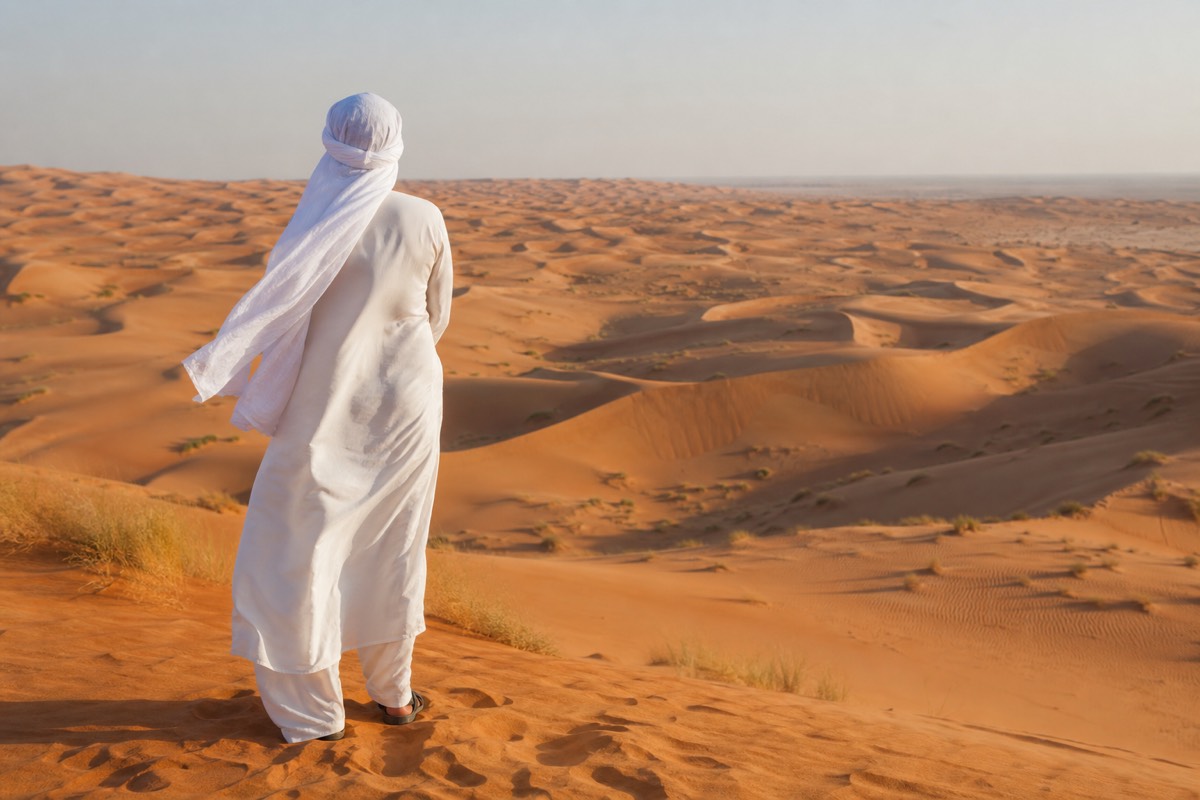
Desert dress code, at a glance
Oman is relaxed but modest; covering shoulders and knees in public keeps you comfortable and respectful.
What is the one rule for dressing in the Oman desert?
Cover up loosely. Light, breathable, modest layers that shield your skin from the sun beat shorts and a vest every time. The practical minimum is clothing that covers shoulders and knees, which also happens to respect local custom. Add a scarf for the sun and blowing sand, and pack a warm layer for the night.
Match the departure point, trip length and included activities to the plan above.
At A Glance: Private 4WD trip with an English-speaking guide, Desert Rose Camp standard-room accommodation, dinner and breakfast.
Explore The One-Night Camp StayIt sounds backwards to cover more in the heat, yet long sleeves keep the sun off, trap a little cooling airflow, and stop sand scouring your skin. Loose fabric does this far better than anything tight. Think flowing cotton or linen over bare, exposed skin.
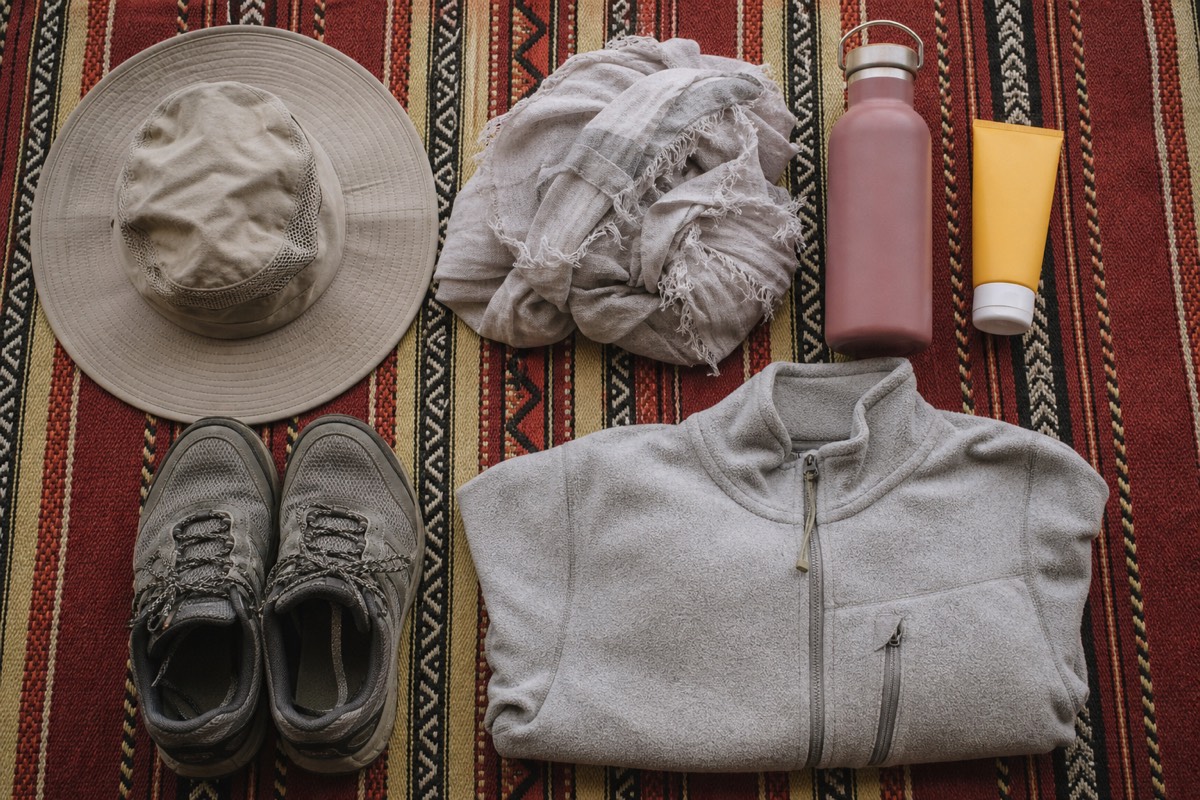
Oman is a relaxed but modest country, so the same clothes that keep you comfortable also keep you respectful. Cover the shoulders and knees in public and at villages, and you rarely have to think about it again for the rest of the trip. The rest of this guide breaks that down by time of day, by setting, and by what to actually pack.
The mental model that helps most is two climates in one bag. By day you are dressing against sun, heat and blown sand; by night you are dressing against a surprisingly sharp chill. Almost everything below flows from that single idea. Light layers you can add and shed beat a single heavy outfit, a scarf bridges both worlds, and nothing you bring should be so precious that a coating of fine sand would ruin it.
Layering is what makes one small bag cover a huge temperature swing. Start with a light base you are happy to sweat in, add the long-sleeved shirt for sun, then a warm mid-layer, and finally a windproof top for the cold, breezy night. You rarely wear them all at once, but each earns its place at some point between a blazing noon and a pre-dawn camel ride. Build the outfit up and strip it back as the day turns, rather than betting everything on one perfect garment.
Curious about seeing where loose desert layers come into their own? Discover a Bidiyah camel ride and Bedouin house visit.
Discover The Bidiyah Camel SafariWhat should you wear during the desert day?
Loose long sleeves and long, light trousers in breathable cotton or linen, ideally in pale colours that bounce back the heat. Add a wide-brim hat or a wrapped scarf, real sunglasses, and strong sunscreen on every bit of exposed skin. A light scarf, or shemagh, doubles as sun cover and a shield against blowing sand.
Pale, natural fabrics are the workhorses of a desert wardrobe. They breathe, they dry fast, and they reflect rather than soak up the sun. A long-sleeved shirt you can roll up, paired with loose trousers, handles both a camel ride and a walk over the dunes without leaving you scorched.
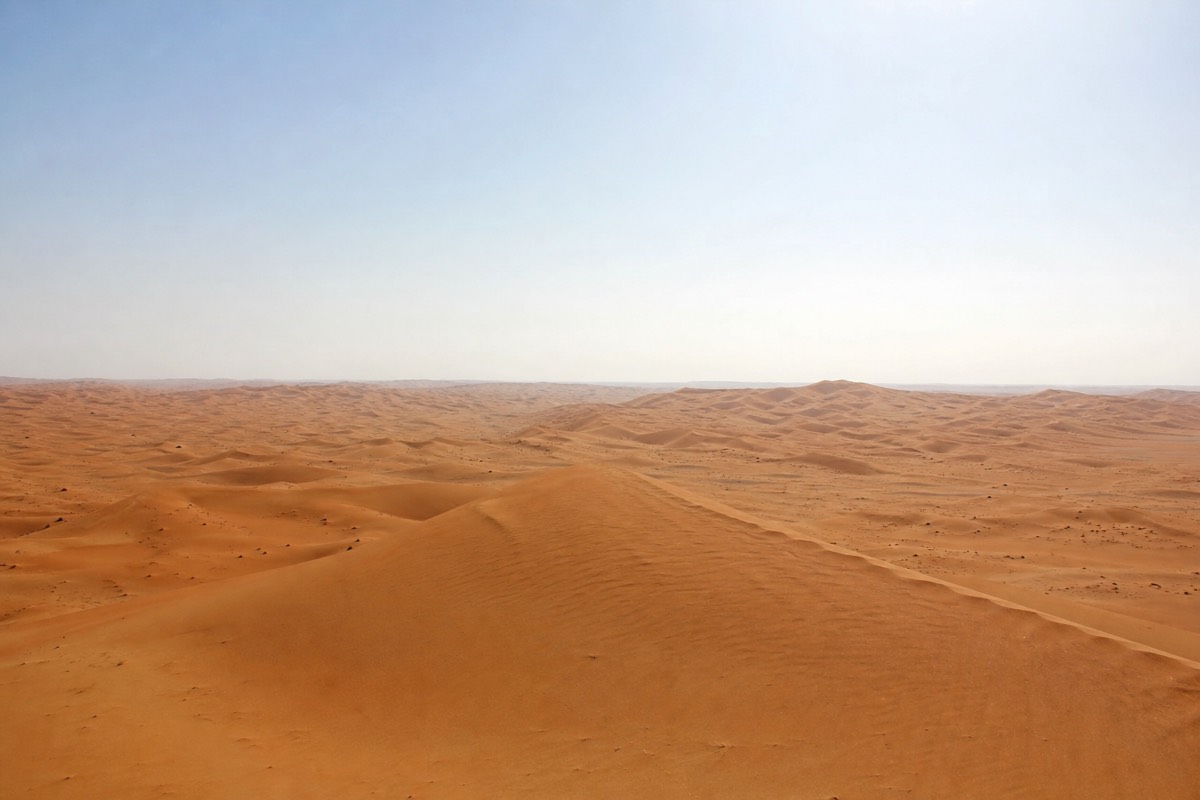
The scarf earns its place many times over. Wrapped over the head and neck it shades you; pulled across the face it keeps grit out of your mouth when the wind lifts the sand. When the light softens toward sunset, the same scarf is what you want against the first cool breeze.
There is a knack to the scarf that pays off quickly. Wrapped loosely over the crown and tucked at the neck, it shades your face and stops the sun cooking the back of your neck on a camel ride. When a gust lifts the sand, pull the loose end across your nose and mouth and keep your eyes down until it passes. A long, light cotton scarf, a metre or more, does all of this and still packs down to nothing, and many travellers pick one up in a Muscat souq and use it every single day.
Do not skimp on the eyes and the head. Glare off pale sand is relentless, so sunglasses with genuine ultraviolet protection are worth more here than almost any other single item, and a wide-brimmed hat shades ears and neck in a way a baseball cap never manages. If you burn easily, a shirt with a collar you can turn up buys extra cover on the most exposed stretch of a long camel ride. These are small choices that decide whether you finish the day fresh or fried.
| Daytime item | Why you want it | What to pick |
|---|---|---|
| Long-sleeved shirt | Sun and sand cover, still cool | Loose cotton or linen, pale colour |
| Long light trousers | Protects legs, respects custom | Breathable, relaxed fit |
| Scarf or shemagh | Head shade, face cover in wind | Large, light, one you can wrap |
| Hat and sunglasses | Face and eye protection | Wide brim, proper UV lenses |
| Sunscreen and lip balm | Fierce, exposed desert sun | High factor, reapply often |
Plan for planning a day outfit that lasts through dinner: check your date before arranging the rest of your trip. This option includes a four-hour Bidiyah sunset trip with sandboarding and Omani dinner.
Scheduled departures from Viator. Availability and final price are confirmed on Viator.
4 hours · Bidiyah meeting point, return to start
Camel riding costs extra. No overnight accommodation. Not recommended during pregnancy. Agree the meeting point before arranging transport.
What about the cold desert nights?
Desert nights get genuinely cold. Once the sun drops, the sand loses its heat fast, and in the cooler months a night at a desert camp can fall into single digits Celsius. Pack a proper warm layer: a fleece or insulated jacket, long trousers, and socks. People who only bring summer clothes regret it after dark.
The temperature swing surprises first-timers more than anything else. A day that had you hunting for shade turns into an evening where you are glad of a jacket by the campfire. The clear desert sky lets the day's heat radiate straight back out after sunset, which is why the drop feels so sharp compared with a humid coast.
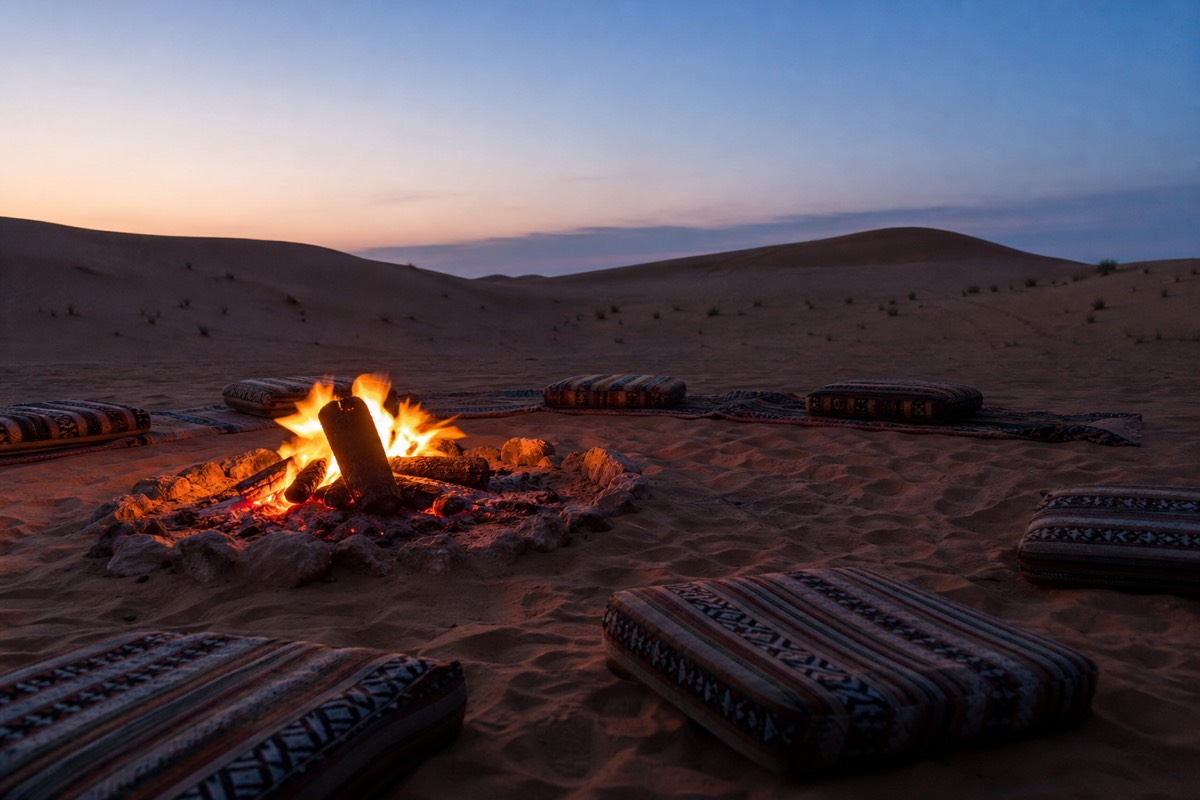
Stargazing makes the cold worth it. With no city glow, the sky over the dunes is dazzling, but you will be sitting still under it for a while. A warm top, a hat and a blanket from the camp turn a shivery hour into a long, comfortable one watching the Milky Way. The way the Royal Geographical Society describes the Sharqiya environment, the big daily temperature range is a defining feature of this kind of hot desert.
Do not count on the camp to supply your warmth. Many do hand out blankets around the fire, and the better ones put extra bedding in the tents, but you cannot rely on it, and blankets do nothing for you on an evening dune walk or during a long stargazing session away from the fire. One proper insulating layer that you carry yourself is the difference between staying out to enjoy the night sky and retreating to your tent shivering after twenty minutes. Treat it as essential kit for any overnight, in any season.
| Time | Conditions | What to wear |
|---|---|---|
| Midday | Fierce sun, hot sand | Loose long sleeves, hat, scarf, shade |
| Sunset | Cooling fast, light breeze | Add a light layer over daywear |
| After dark | Cold, single digits in winter | Fleece or jacket, long trousers, socks |
| Dawn | Coldest hour, then warming | Warm layer you can peel off later |
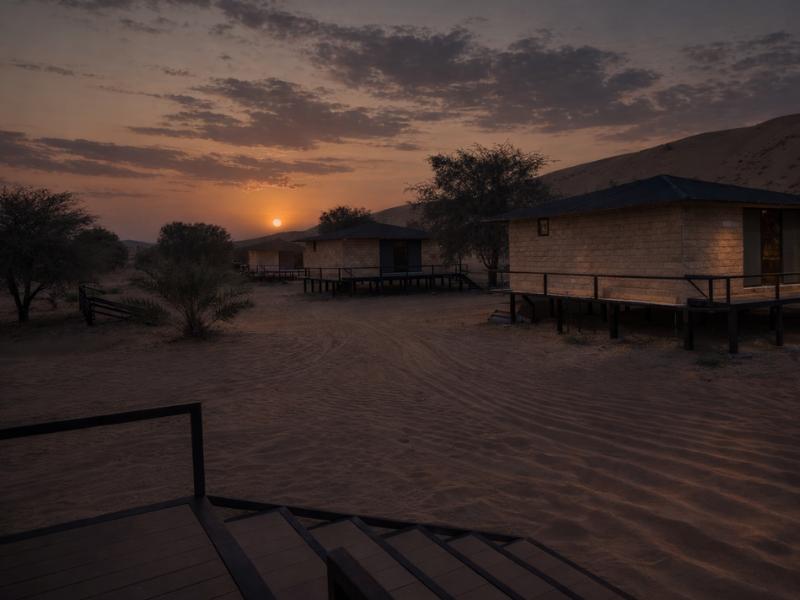
Curious about staying after the temperature drops? Discover a camp-room night with dinner, breakfast and sunrise.
Discover The One-Night Camp Stay2 days, 1 night · Muscat pickup and return
Lunch and camel ride cost extra. Confirm your room and any mobility or child-seat requirements before booking.
What footwear works best on the dunes?
Keep it simple: sturdy sandals or light trainers for driving and camp, and something closed for walking on hot midday sand. Bare feet feel wonderful on cool morning dunes and are fine for short climbs, but sand bakes at noon and chills at night, so having both options covers every part of the day.
Heavy hiking boots are usually overkill and fill with sand anyway. Most visitors live in open sandals, slipping them off to climb a dune barefoot when the sand is cool. Bring a pair of socks for the cold night and for the drive, since air conditioning in the vehicles can be brisk.
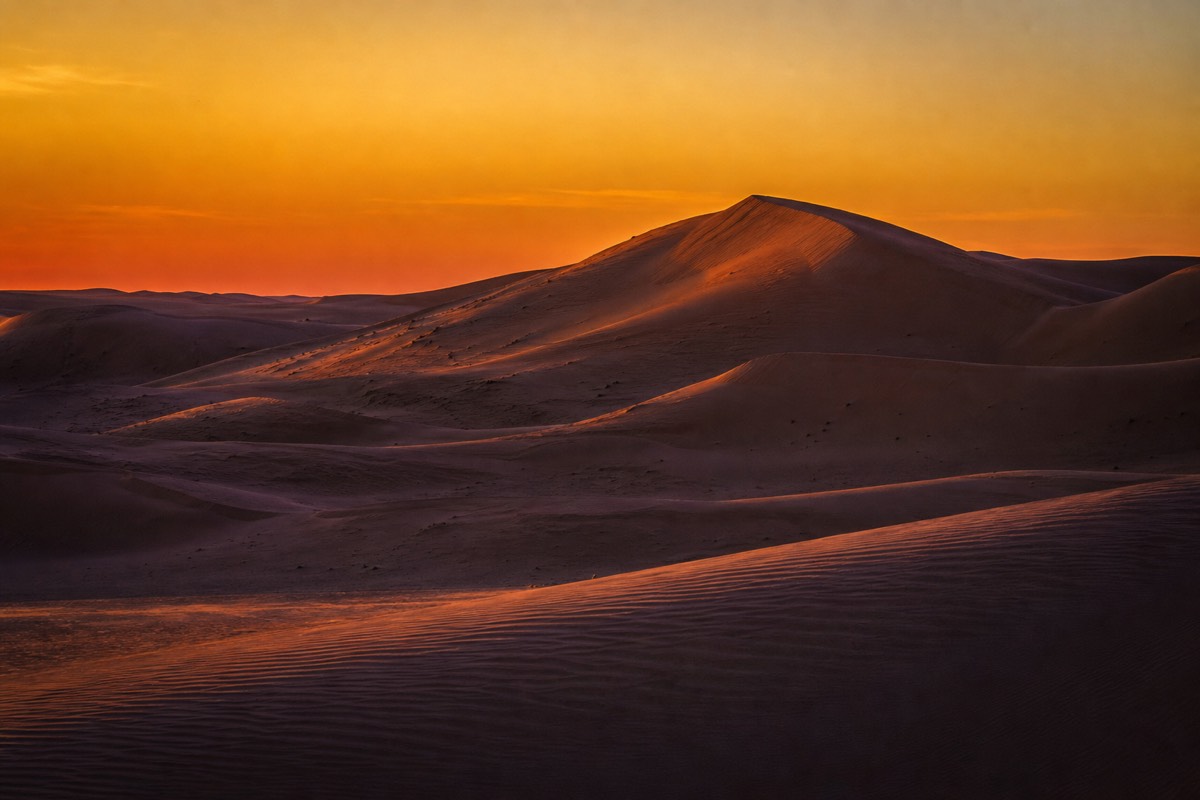
If you burn easily or plan longer walks, a light closed shoe protects the tops of your feet from both sun and hot grains. Whatever you choose, expect sand everywhere, so leave the delicate footwear at the hotel.
A couple of small habits save a lot of grief. Empty your shoes before you put them back on, since even a few grains under the arch turn a dune climb miserable, and shake them out again in the morning as a matter of routine. Pack an old pair of socks purely for the cold night and the air-conditioned drive, plus a second pair to change into if the first fills with sand. For children, closed shoes with a back strap stay on far better than flip-flops when they are running up and down a slope.
| Footwear | Best for | Watch out for |
|---|---|---|
| Open sandals | Camp, driving, easy slip-off | Straps rub with trapped sand |
| Light trainers | Longer walks, cool feet | Fill with sand; bring socks |
| Barefoot | Cool dunes at dawn and dusk | Midday sand burns; night is cold |
Plan for putting closed shoes to work on a camel outing: check your date before arranging the rest of your trip. This option includes an included camel ride on a local two-hour safari.
Dates and booking provided by GetYourGuide. If the calendar cannot load, use the booking link below.
Check Dates For The Bidiyah Camel Safari2 hours · Bidiyah meeting point
Food and tips excluded. Not suitable for back problems or mobility impairments. Confirm child restrictions and the exact meeting point.
What should women wear, and how modest is modest?
Loose clothing that covers shoulders and knees is the comfortable, respectful standard for women in Oman. A headscarf is not required in day-to-day public places, though you cover your head, arms and legs to enter a mosque. Keep a light scarf handy: it manages the sun, the sand, and any moment you want a little more cover.
Oman is tolerant of visitors and does not expect foreign women to dress like locals, but modesty is the norm and it is easy to meet. A long tunic or maxi dress over loose trousers, or trousers with a longer top, works in the desert, at the camp and in the villages you pass through.
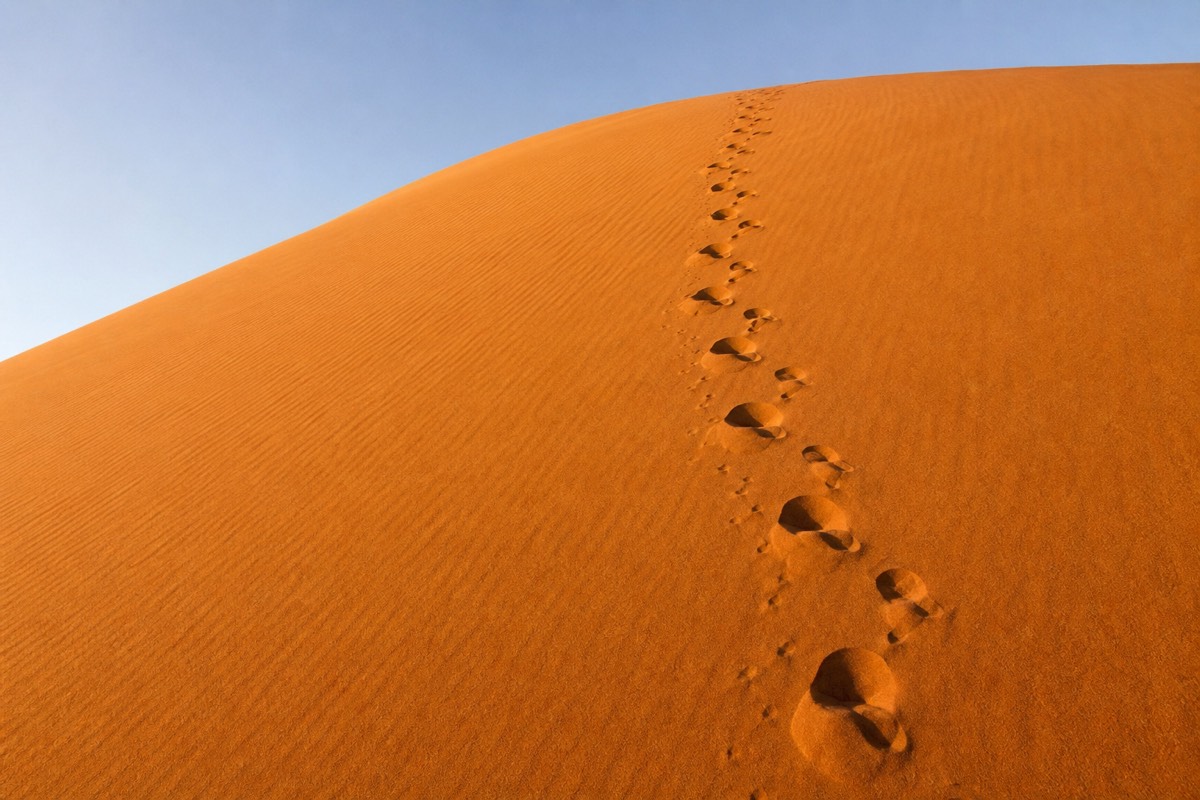
The scarf is the single most useful item a woman can carry here. It shades the head, wraps against blown sand, adds warmth at night, and covers hair and shoulders on the spot when you visit a mosque or a more traditional village. One light, generous scarf does all of that. The grid below sums up what different settings ask for.
None of this means dressing like a local. Foreign women are not expected to wear an abaya or cover their hair in daily life, and plenty visit in loose trousers and a long-sleeved top without a second glance. The aim is simply to avoid tight, short or revealing clothing in public, which is easy to meet with comfortable travel clothes you would happily wear on any hot-country trip. Err a touch more modest in small villages and traditional towns than you would on the dunes, and you will always be on the right side of good manners.
Comfort and small practicalities round it out. Loose clothing that does not cling in the heat beats anything fitted, flat shoes make the sand and the uneven wadi rocks far easier, and heavy jewellery is best left behind where fine grit can work into the clasps. Tie long hair back or tuck it under a scarf, since the wind will otherwise plaster it across your face on every open dune. None of it is about strict rules, just about being cool, covered and unbothered enough to enjoy the day.
| Setting | Cover shoulders | Cover knees | Cover hair |
|---|---|---|---|
| Dunes and desert camp | Yes, and for sun | Yes | Optional, useful for sun |
| Villages, towns, souq | Yes | Yes | Not required |
| Entering a mosque | Yes, arms too | Yes, full legs | Yes, hair covered |
| Wadi pools, swimming | Modest swimwear | Cover-up nearby | Not required |
Curious about visiting a Bedouin home with a guide? Discover a Bidiyah safari with English or Arabic guiding.
Discover The Bidiyah Camel SafariWhat colours and fabrics actually work in the sand?
Favour light colours and natural fibres. Pale cottons and linens reflect the sun and breathe, so you stay cooler through the day. Dark clothes hide dust better but soak up heat, and heavy synthetics trap sweat. Pack a little more than you think, since sand and sunscreen quickly make everything feel worn.
Sand gets into everything, so choose clothes you will not mourn and colours that carry a bit of dust gracefully. Off-whites, sand tones and soft khakis look right in the desert and stay cooler than black. If a photo is the goal, a warm-coloured scarf against the golden dunes reads beautifully at sunset.
Fabric matters as much as colour. Cotton and linen let air move and dry quickly after a sweaty camel ride, while thick polyester holds heat and odour. One synthetic layer that wicks is useful for the cold night, but for daytime the natural fibres win. The best time to visit, in the cooler months, also lets you get away with slightly heavier fabrics for the evening.
Plan for how quickly everything gets grubby. Fine sand works into seams and sunscreen turns collars grey, so a couple of spare tops for a two-day trip beats trying to keep one outfit pristine. Quick-drying fabrics rinse and dry overnight if you want to travel light. Think about photos while you are at it: warm earthy tones and a splash of colour, a rust scarf or a deep blue shirt, read beautifully against pale gold sand at sunset, where stark white can blow out and pure black falls flat.
Match the fabric weight to the season as well as the setting. In the cooler months you can carry a slightly heavier shirt and enjoy it in the evening, while high summer demands the thinnest, loosest weave you own, worn a size up so the air can move. Either way, one lightweight fabric that dries fast is worth two that cling when damp. The goal is simple: cool and covered by day, warm and covered by night, with as little bulk in the bag as you can manage.
Plan for choosing an outing for your sunset photos: check your date before arranging the rest of your trip. This option includes a driver-led dune sunset before the included dinner.
Check Dates For The Bidiyah Sunset TripWhat should men wear in the Oman desert?
Men have it simple but not that different. Loose long trousers and a light long-sleeved shirt cover you against the sun, respect local custom, and still breathe. Shoulders and knees stay covered in public, shorts are best saved for the wadi pools or your hotel, and a warm layer for the night matters just as much as it does for anyone else.
The instinct to strip down in the heat works against you here. A thin, pale long-sleeved shirt keeps the sun off far better than a bare torso and a vest, and lightweight trousers spare your legs both sunburn and the sting of blown sand. In villages and towns, keeping shoulders and knees covered is the same easy standard that applies to everyone, and it takes no effort to meet.
Men feel the night chill exactly as women do, so a fleece or jacket, long trousers and socks belong in the bag for any overnight. A scarf is not only for women, and wrapped as a headcloth it is one of the most practical things a man can wear in the sun and the wind. Comfortable sandals for camp and a closed shoe for hot midday sand round out a kit that asks very little and works all day.
Curious about wearing the same practical layers for riding and visiting? Discover a camel-and-Bedouin-home itinerary from Bidiyah.
Discover The Bidiyah Camel SafariWhat should you pack for an overnight in the desert?
Pack for two climates in one bag: sun cover for the day, warmth for the night, and a scarf that bridges both. Add sunglasses, a hat, high-factor sunscreen, a torch and a refillable water bottle. Keep it light, since you only need a small overnight bag for a night at a desert camp.
Think of the packing list as day kit plus a night layer plus small extras. When you plan what to wear, the drivers and camps Wahiba Sands Tours works with will tell you the current conditions, so you can fine-tune the warm layer to the season before you set off. Nobody needs a big suitcase for one night in the sand.
A few practical extras finish the job: a torch for the walk to the bathroom, wet wipes for the sand, a small dry bag to keep grit out of your camera, and lip balm for the dry air. The checklist below is the short version to run through before you leave your hotel.
One more principle keeps the bag sensible: pack for the activity, not for a fashion parade. A single day outfit, a single warm layer, sleepwear, swimwear for the wadi and a change of top is plenty for a night away. Everything doubles up if you choose well, since the day scarf becomes a night wrap and the swim towel becomes a beach mat, so resist the urge to bring options you will never touch. The desert rewards travelling light almost as much as it rewards covering up.
| Category | What to bring |
|---|---|
| Day cover | Long sleeves, light trousers, hat, sunglasses, scarf |
| Night warmth | Fleece or jacket, long trousers, socks, beanie |
| Feet | Sandals plus one closed shoe, spare socks |
| Sun and skin | High-factor sunscreen, lip balm, after-sun |
| Extras | Torch, water bottle, wet wipes, small dry bag |
Plan for packing for a specific night away: check your date before arranging the rest of your trip. This option includes one standard camp room night on a two-day Muscat route.
Scheduled departures from Viator. Availability and final price are confirmed on Viator.
2 days, 1 night · Muscat pickup and return
Lunch and camel ride cost extra. Confirm your room and any mobility or child-seat requirements before booking.