Is Wahiba Sands Worth Visiting?
The honest case for the Omani desert, the numbers behind it, and the few people who should skip it.
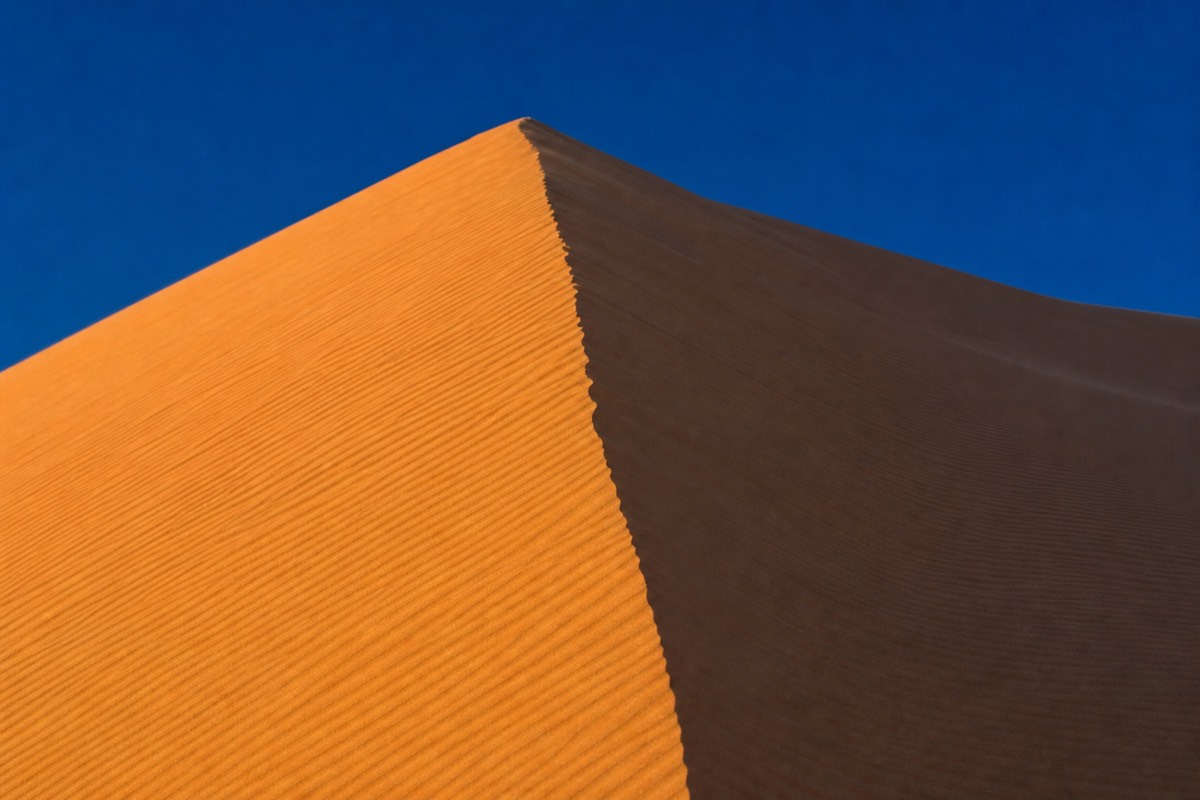
Worth the trip? An honest split
The case for and against, drawn from the trade-offs real first-time visitors weigh.
So, is Wahiba Sands actually worth the trip?
Yes. For most visitors to Oman, a night in Wahiba Sands is the single most memorable thing they do. You get soft apricot dunes rolling to the horizon, a sky thick with stars, and a Bedouin camp dinner, all within a three-hour drive of Muscat. Skip it only if you truly hate heat, sand, or long car days.
Match the departure point, trip length and included activities to the plan above.
At A Glance: Private 4WD trip with an English-speaking guide, Desert Rose Camp standard-room accommodation, dinner and breakfast.
Explore The One-Night Camp StayOman packs a lot into a small map: forts, wadis, a coastline of turtles and old fishing towns. The desert is the part people describe months later. These dunes, known formally as the Sharqiya Sands, sit south of the capital and cover roughly 12,500 square kilometres, about 180 kilometres north to south by 80 kilometres across, according to the published geography of the sand sea. Reaching them is easy. The drive from Muscat runs around 200 kilometres and takes two and a half to three hours on good tarmac through Ibra to Al Wasil, so a first-timer can leave the city after breakfast and watch the sun drop behind a dune ridge that same evening.
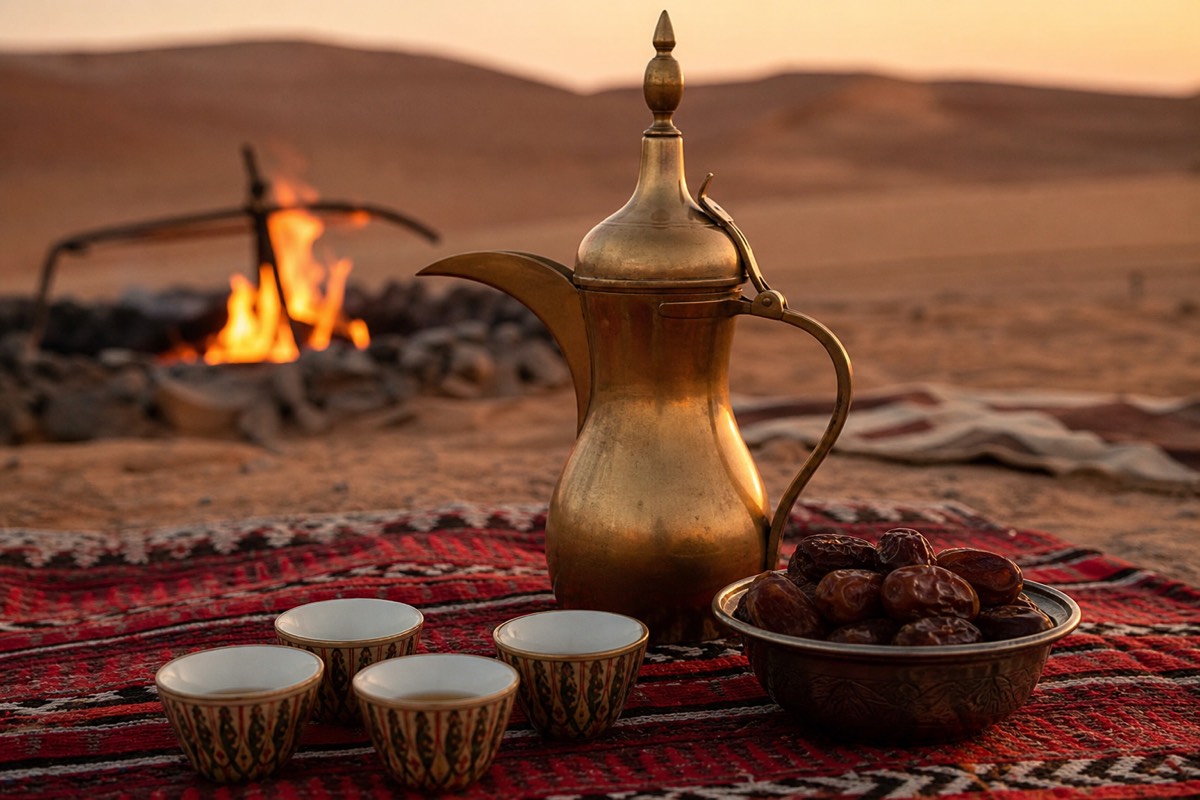
The value question really comes down to time and tolerance. If you have even one spare night in Oman and you do not actively hate sand, the answer lands firmly on yes. The rest of this piece breaks down why, what it costs, what you actually do out there, and the honest reasons a few travellers should give it a miss.
Worth it also means different things to different people, and that is the honest heart of the question. A photographer weighs it against light and emptiness, a family weighs it against comfort and the children's patience, a hiker weighs it against the mountains they could climb instead. What tips almost all of them toward yes is that Wahiba delivers something none of those alternatives can: a genuine, walkable dune sea that still feels wild despite sitting a short drive from a modern capital. That mix of scale and access is rarer than it sounds.
Curious about finding what a night adds to the view? Discover sunset, a camp room and sunrise on a private Muscat itinerary.
Discover The One-Night Camp StayWhat makes these dunes different from any other desert?
The sand itself. Wahiba is a dune sea of long, parallel ridges that shift from honey-gold at midday to deep orange at sunset, with the tallest crests reaching around 100 metres. It is also one of the most studied deserts on Earth, home to hundreds of species you would never expect in ground this dry.
Walk a barefoot line up a ridge at dawn and the sand holds every footprint in crisp relief, the golden grains fine as flour. That texture, and the sheer scale of a horizon made only of dune and sky, is what photographs never quite carry. In the mid-1980s the Royal Geographical Society ran a major expedition here, sending around 30 researchers to document the ecosystem. They recorded roughly 150 native plant species, about 200 kinds of wildlife, and some 16,000 invertebrates. The published results are still cited by desert ecologists today.
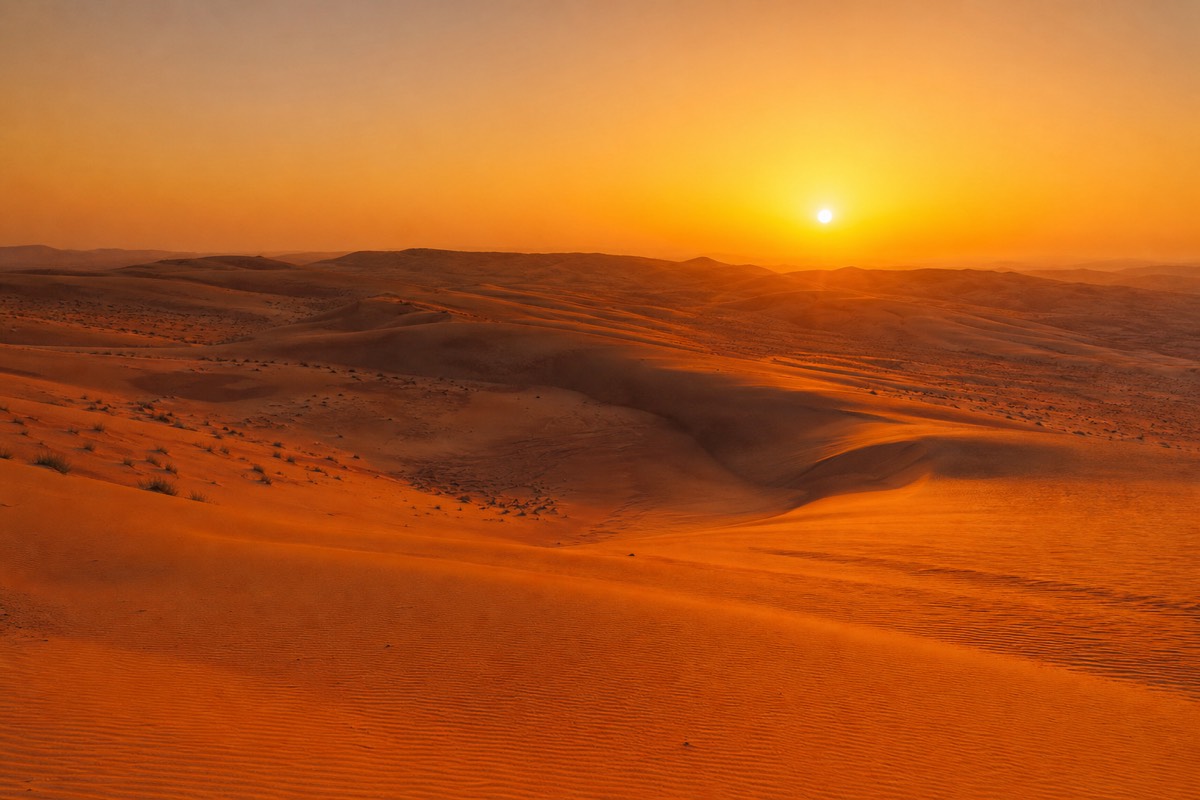
Those grains have a backstory. The sand is thought to have built up over tens of thousands of years, combed into its long, parallel ridges by two competing wind systems that still reshape the surface today. That is why the dunes run in such orderly lines rather than random heaps, and why the crests migrate slowly year on year. Geologists treat Wahiba as a natural laboratory for how deserts form, which is a large part of why the region drew a full scientific expedition in the first place.
So this is not a lifeless wasteland. It is a living, moving landscape, still named after the Bani Wahiba tribe, with Bedouin families herding camels across it and gathering dates at oasis groves such as Al-Huyawah each summer. Standing on a crest at dusk, you are looking at a working desert, not a stage set, and that authenticity is a large part of the answer to whether it is worth your time. Here are the figures worth carrying in your head before you go.
| Fact | Figure | Why it matters |
|---|---|---|
| Size of the sand sea | ~12,500 km2 | Big enough to feel remote, small enough to reach easily |
| Tallest dunes | Up to ~100 m | Real scale for dune bashing and sunrise climbs |
| Drive from Muscat | ~200 km, 2.5 to 3 hr | A comfortable same-day arrival |
| Native plant species | ~150 | More life than a barren dune field suggests |
| Documented wildlife species | ~200 | Foxes, geckos, and migrating birds all pass through |
| Best months | November to March | Warm days near 28°C, cool nights for camping |
Plan for seeing the dune shapes in the evening light: check your date before arranging the rest of your trip. This option includes a Bidiyah sunset outing with a driver and dinner.
Scheduled departures from Viator. Availability and final price are confirmed on Viator.
4 hours · Bidiyah meeting point, return to start
Camel riding costs extra. No overnight accommodation. Not recommended during pregnancy. Agree the meeting point before arranging transport.
What is there to actually do out there?
More than you would guess for a sea of sand. The headline activities are dune bashing in a 4x4, a camel ride at golden hour, sandboarding down a steep face, and after dark, some of the clearest stargazing in the region. Many trips also fold in nearby Wadi Bani Khalid, a palm-lined oasis with cold freshwater pools.
A dune bashing run is the adrenaline part, a driver dropping the truck down slip faces you would swear are too steep to hold. A camel ride at last light is the slow counterpoint, all creak of saddle and long shadows. Once the camp generator winds down, stargazing takes over: with almost no light pollution, the Milky Way arcs cleanly overhead and the quiet is total. Some full-day itineraries pair the dunes with Wadi Bani Khalid, roughly 45 minutes from the desert gateway, where you can swim in emerald pools shaded by palms.
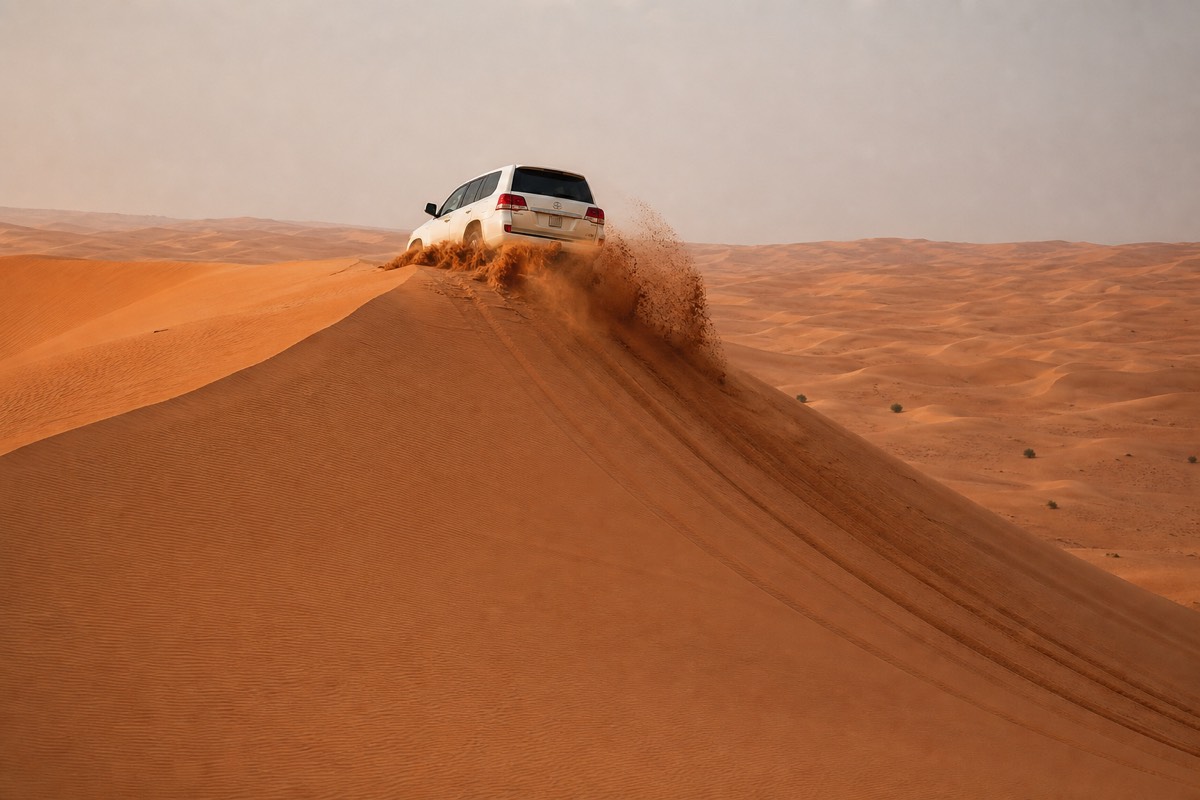
The pleasure of the place is how quickly the mood can switch. Twenty minutes of adrenaline on the dunes gives way to the slow sway of a camel ride, then to the stillness of a sky you rarely see at home. Sandboarding suits anyone who has skied or surfed, though plenty of first-timers just bump down laughing. None of it demands athleticism, and a good operator tailors the intensity to the group, which is why the same trip can thrill teenagers and suit grandparents on the same afternoon.
Photographers, in particular, find more here than a single golden dune. The low sun rakes the ridges into sharp light and shadow at each end of the day, footprint-free crests reward an early climb, and the night sky opens a whole second session after dinner. Even casual phone snappers come away with images that look nothing like home.
The mix suits very different moods, which is part of why the place holds up over a full day or an overnight. This table sorts the main activities by when they shine and who tends to love them.
| Activity | Best time of day | Effort | Who it suits |
|---|---|---|---|
| Dune bashing | Late afternoon | Passive but jolting | Thrill-seekers, older kids |
| Camel ride | Sunset | Gentle | Almost everyone |
| Sandboarding | Morning or dusk | Active | Active travellers, teens |
| Stargazing | After dark | None | Couples, families, photographers |
| Wadi Bani Khalid swim | Midday | Light walk | Anyone wanting to cool off |
| Sunrise dune climb | Dawn | Moderate | Early risers, photographers |
Curious about doing more than looking at the sand? Discover a camel ride, sand skiing and Bedouin house visit.
Dates and booking provided by GetYourGuide. If the calendar cannot load, use the booking link below.
Discover The Bidiyah Camel Safari2 hours · Bidiyah meeting point
Food and tips excluded. Not suitable for back problems or mobility impairments. Confirm child restrictions and the exact meeting point.
Is one night in a desert camp worth it?
For most people, yes, and it is the difference between seeing the desert and feeling it. A day trip shows you dunes; an overnight gives you sunset, dinner under the stars, a still night in a tent, and sunrise over the ridges. That full arc of light is the part guests remember most vividly.
There is a shift that happens once the day visitors leave. The heat softens, the colours deepen, and the camp settles into something close to silence. Waking early to climb a cool dune and watch first light spill across the sand is, for many travellers, the highlight of their entire Oman trip. The camps and drivers Wahiba Sands Tours works with run this route daily, so even on a tight schedule the logistics of getting in, sleeping over and getting out again stay simple.
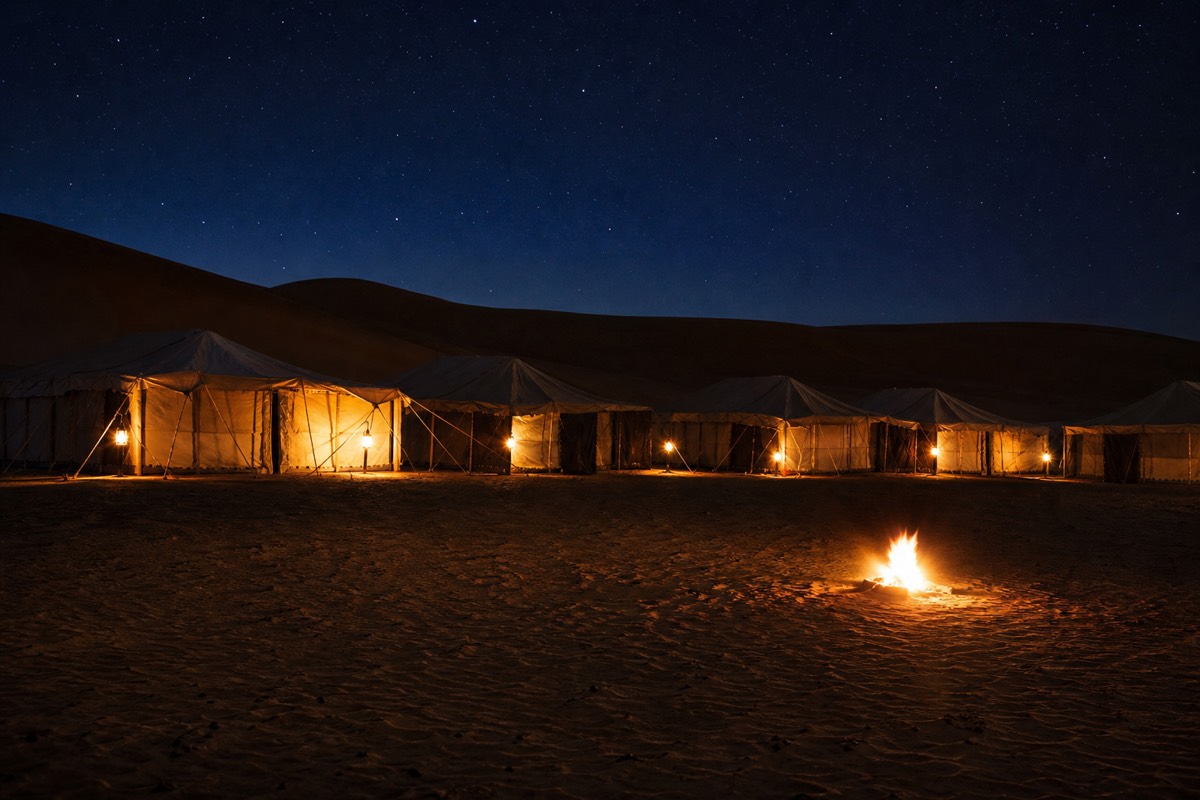
Camps themselves span a wide range, and that shapes the night as much as the location does. Budget sites give you a simple tent, shared bathrooms and a shared dinner, which is plenty for one night. Mid-range and premium camps add private bathrooms, better beds and quieter corners of the sand. None of them is a city hotel, and that is the point: the thin canvas walls and the desert quiet are exactly what make the stay memorable. Match the camp to your comfort level and the overnight rarely disappoints.
The choice between a day trip vs overnight really comes down to what you want to take home. Here is the honest split of what each format delivers.
| What you get | Day trip | Overnight |
|---|---|---|
| Dune bashing and camel ride | Yes | Yes |
| Sunset over the dunes | Rushed or missed | Yes, unhurried |
| Dinner at a Bedouin camp | No | Yes |
| Stargazing and the Milky Way | No | Yes |
| Sunrise over the ridges | No | Yes |
| Total time in the desert | 4 to 6 hours | 18 hours or more |
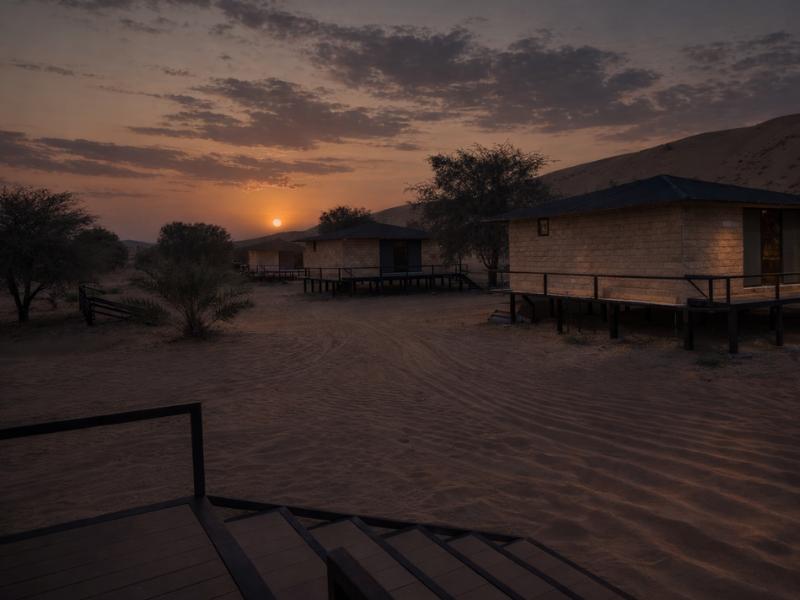
Plan for testing the overnight experience in one night: check your date before arranging the rest of your trip. This option includes a standard Desert Rose Camp room with dinner and breakfast.
Check Dates For The One-Night Camp Stay2 days, 1 night · Muscat pickup and return
Lunch and camel ride cost extra. Confirm your room and any mobility or child-seat requirements before booking.
What does a trip actually cost, and is it good value?
Compare the total for your actual dates and party. The verified room-based overnight includes private Muscat transport, a standard Desert Rose Camp room, dinner and breakfast. Lunch and camel riding are extra. A private vehicle does not mean an exclusive or luxury camp.
Prices move with season, group size and how private you want the trip, so treat the figures below as starting points and check the live prices on the listing before you book. What they show clearly is that you do not need a big budget to reach the dunes. A short sunset run is cheaper than many city attractions, while the fuller overnight and multi-activity trips cost more because they include meals, camping and hours of guided 4x4 time.
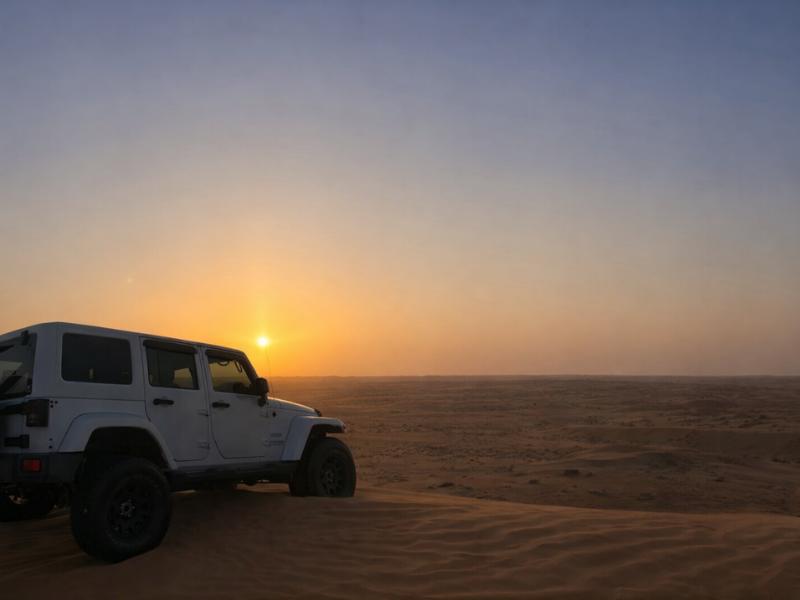
What moves a price is easy to read once you know the levers. Group size matters most, since a private 4x4 and driver split between two people costs far more per head than a shared seat on a busy departure. Distance and duration add up next, as an overnight rolls in dinner, breakfast, fuel and a night of staffing. Season nudges everything, with the cool, popular months priced higher than the quiet summer. Read a listing with those levers in mind and the range stops looking random.
| Experience | Typical from-price | What is included | Guest rating |
|---|---|---|---|
| Sunset 4x4 dune bashing | Quote for your dates and party | Dune driving, sunset stop | ~5.0 |
| Full-day sands and Wadi Bani Khalid | Quote for your dates and party | Dunes, oasis swim, transfers | ~4.8 |
| Full-day group, sunset and camel | Quote for your dates and party | Dunes, camel, entertainment | ~4.9 |
| Overnight camp from Muscat | Quote for your dates and party | Camp, dinner, breakfast, activities | ~4.9 |
Set against the cost of most guided experiences in Oman, and against the fact that this is one of the few genuinely famous deserts you can reach in an afternoon, the case for value is easy to make.
Curious about weighing the day-trip quote against an overnight? Discover a shared Muscat outing visiting the dunes and oasis.
Scheduled departures from Viator. Availability and final price are confirmed on Viator.
9 hours · Muscat pickup and return
Ages 5+. Child seats and life jackets excluded. Camel rides cost extra; quad only in the quad option. Lunch not provided during Ramadan. Not recommended during pregnancy or for cardiovascular conditions.
Who probably will not enjoy it?
The desert is not for everyone. If you have limited mobility, dislike heat, get carsick easily, or need reliable phone signal and air conditioning at all times, a jolting 4x4 run over soft sand and a night in a tent may frustrate more than delight. Summer visitors also face real risk from 45°C-plus heat.
The honest caveats matter. Dune bashing is bumpy by design, so anyone with a bad back or very young children should flag it to the operator, who can drive gently. Camps are comfortable but not luxury hotels unless you book a premium one, and even the best sites keep simple bathrooms and no room service. Phone coverage fades among the dunes, which is a feature for some and a dealbreaker for others.
One honest note for parents and older travellers: the desert rewards a little flexibility. A toddler will not enjoy a two-hour off-road safari, but will happily play on a dune outside the camp at sunset. A grandparent may skip the dune bashing yet love the camel ride and the stars. Treat the day as a menu rather than a fixed march, tell the operator what you want to skip, and the trip bends to fit almost anyone willing to be out in the heat and sand at all.
None of this is a reason for most people to stay away. It is a reason to match the trip to the traveller: a gentle daytime visit and a good camp suit almost anyone, while a hardcore multi-hour off-road safari does not. Read the honest sort below and place yourself on the right side of it.
| You will probably love it if | You may want to skip it if |
|---|---|
| You enjoy big landscapes and quiet | You need constant connectivity |
| You are up for a bit of adventure | You dislike heat, sand or bumps |
| You want a night under real stars | You want five-star comfort every night |
| You can travel in the cooler months | You can only come in high summer |
If you need a guaranteed gentle, step-free or heat-free desert activity, this shortlist does not establish a match. Keep your own limits ahead of the booking.
When is it worth going, and when is it not?
Timing decides half the experience. The best time to visit is November to March, when daytime highs sit near a pleasant 28°C and nights turn cool enough for a blanket. High summer, May to September, pushes past 45°C and makes midday activity unsafe. Get the season right and most objections to the desert simply fall away.
The coolest months are not a small upgrade, they change what the day feels like. In winter you can climb dunes at noon and linger at a camel ride without wilting. In summer, the same activities shift to the edges of the day and the middle is spent hiding from the sun. Shoulder months like October and April sit in between, still warm at up to 37°C but workable with an early start.
Whatever month you choose, a little packing sense goes a long way. Light, long layers cover you against sun by day and cold by night, a scarf keeps blown sand out of your face, and closed shoes save your feet on hot midday sand. The nights genuinely surprise people: after a 28°C afternoon the temperature can fall into the teens, so the blanket a camp hands you is not a formality. Getting the season and what to pack right is most of what separates a great desert night from an uncomfortable one.
| Months | Daytime high | Verdict |
|---|---|---|
| November to February | ~25 to 28°C | Ideal for dunes and camping |
| March | ~30°C | Still excellent, warming up |
| April and October | Up to ~37°C | Good with an early start |
| May to September | 45°C or more | Harsh, activity at dawn and dusk only |
Plan for making the evening the focus of the visit: check your date before arranging the rest of your trip. This option includes a four-hour sunset itinerary from Bidiyah.
Check Dates For The Bidiyah Sunset TripIs it still worth it if you only have a day?
Yes, a day trip is worth it if an overnight simply will not fit. A full-day loop from Muscat can still deliver dune bashing, a camel ride, lunch, and a wadi swim before dark. You lose the stars and the sunrise, but you keep the core of the experience for a lower price than staying over.
A single day works when your itinerary is packed and the desert is a detour rather than the destination. You spend more of it in the car, and you leave before the best light, but you still stand on a hundred-metre dune and ride a camel across the sand. For the full picture of how many days the desert deserves, the trade is straightforward: one day for a taste, one night for the memory.
If a single day is truly all you have, protect it by starting early and keeping the plan simple. A dawn departure beats both the heat and the worst of the road, and a focused loop of dunes plus one oasis beats trying to cram in a second wadi you will only glimpse. The travellers who feel shortchanged by a day trip are usually the ones who rushed it; those who treat it as a clean, single highlight tend to come away glad they made the effort, and few people return from the sands wishing they had skipped them.
Set beside the rest of an Oman itinerary, the desert also punches above its cost in memories per hour. Cities and forts blur together in the retelling; a night among the dunes rarely does. That is the real answer to whether Wahiba is worth visiting: not that it is the only thing to do in Oman, but that it is the thing most people are gladdest they did not skip.
Curious about fitting the desert into one free day? Discover a nine-hour Muscat return route with Wadi Bani Khalid.
Discover The Muscat Desert Day