Is Wahiba Sands Safe for Tourists?
The honest safety picture: very low crime, real environmental risks, and how a guide removes most of them.
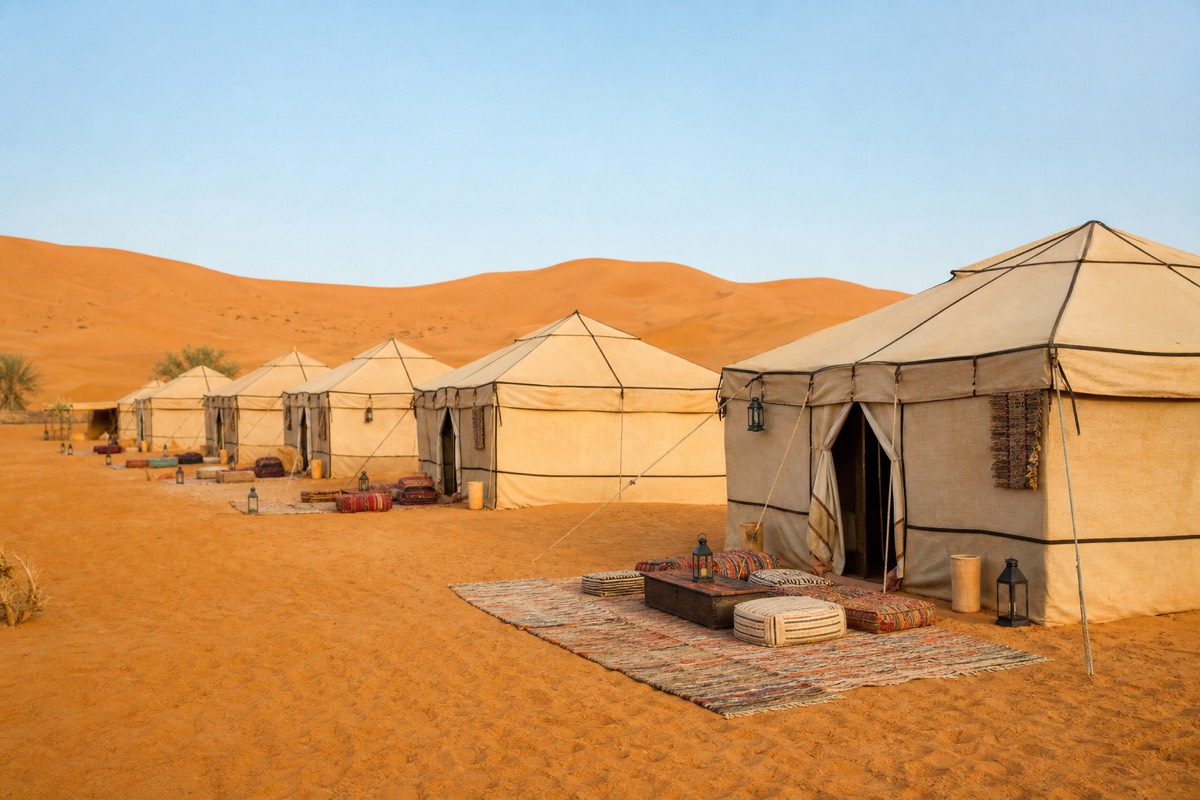
Desert risks and how to manage them
More gold blocks means higher risk. Every risk here is manageable with sensible planning.
Is Oman a safe country to travel in?
Yes. Oman is one of the safest countries in the Middle East, with very low violent and petty crime, and Muscat regularly ranks among the world's safest capital cities. Tourists rarely face theft or harassment. The real risks in Wahiba Sands are environmental, not criminal: heat, soft-sand driving, and remoteness.
Match the departure point, trip length and included activities to the plan above.
At A Glance: Private 4WD trip with an English-speaking guide, Desert Rose Camp standard-room accommodation, dinner and breakfast.
Explore The One-Night Camp StayOman's reputation for calm is well earned. People leave belongings unattended, drive courteously in town, and treat visitors with a hospitality that is genuinely part of the culture. Before booking, it is still sensible to check your own government's current travel advice, such as the UK's Foreign Office guidance for Oman. Regional tensions in early 2026 led several governments to update their advisories, even though everyday safety on the ground stayed unchanged. Reading the current notice is a five-minute habit worth keeping for any trip.
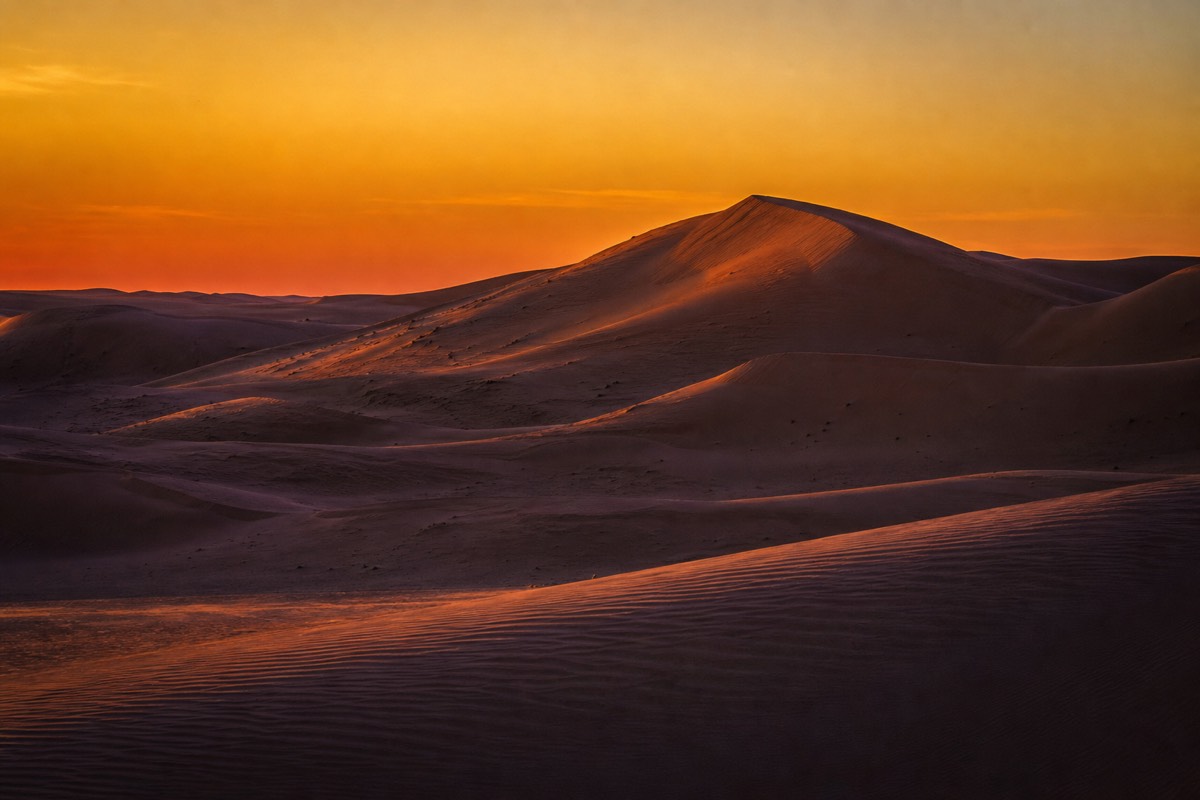
The rest of this piece stays practical. The desert has genuine hazards, but almost all of them are predictable, and almost all of them are removed or reduced by planning your season and going with people who know the sand. Fear of crime is rarely the right worry here; respect for heat and distance is.
It is worth separating two questions that travellers often blur together. One is whether Oman as a country is safe, and the honest answer is yes, comfortably so. The other is whether the desert itself demands care, and the answer there is also yes, in the ordinary way any remote natural place does. Keep those apart and the safety picture becomes clear rather than vaguely worrying.
For context, Oman is routinely placed among the safest countries in the region by international indices, and Muscat among the safer capital cities for petty crime. That reputation is not marketing gloss; it is the everyday experience of most visitors, who find locals helpful and theft a rarity. It is the natural environment, not the social one, that asks for your attention here.
An affiliate booking does not establish that travel is safe on your dates. Check current official travel advice as part of your wider Oman planning.
What are the real risks in the desert?
Five risks matter, and none of them is crime. Heat and dehydration top the list, followed by soft-sand driving, getting lost or isolated, road hazards like camels at night, and, a distant last, petty theft. Understanding the order of danger helps you spend your caution where it counts rather than worrying about the wrong things.
The mistake first-timers make is picturing the desert as dangerous in a dramatic way, when the true risks are quiet and physical. Sun, sand and distance do the harm, not people. The good news is that each risk has a clear, well-known fix, and reputable operators build every one of those fixes into a normal trip.
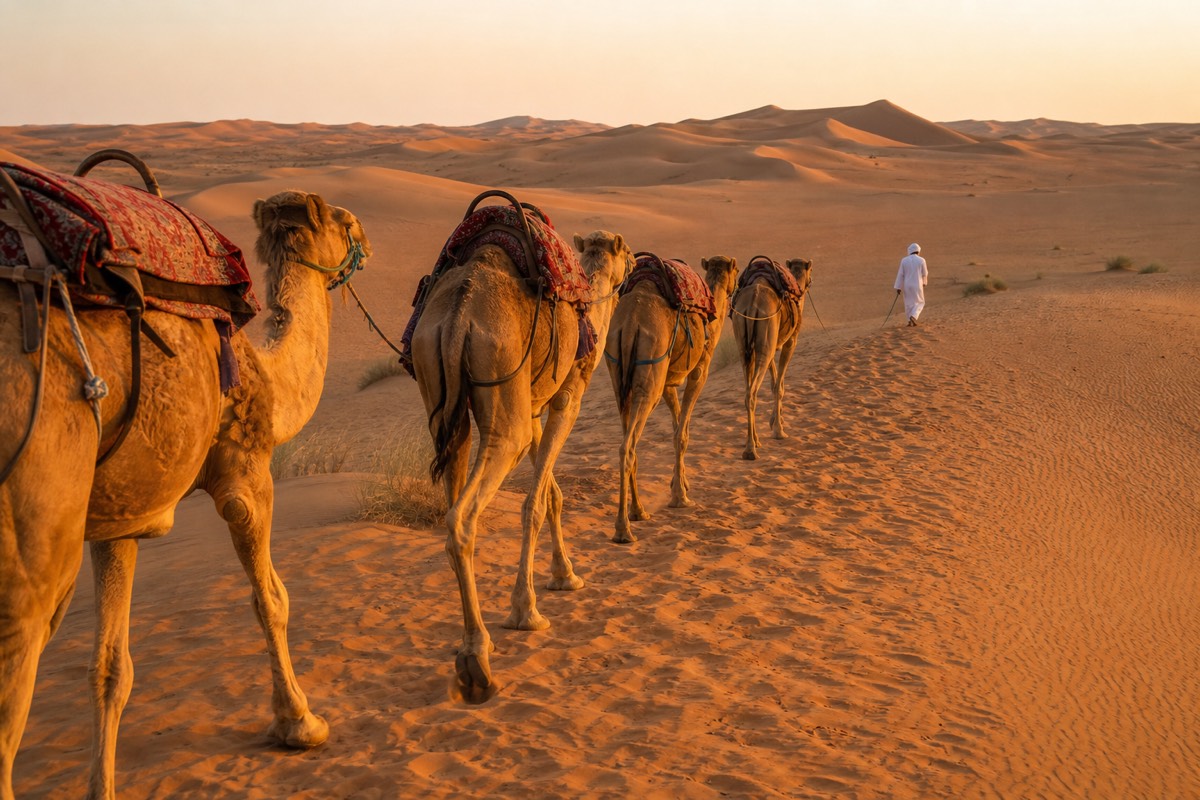
Ranking the risks honestly also stops you from over-preparing for the wrong thing. Travellers sometimes pack for imagined dangers while skipping the water and sun cover that actually keep them safe. The table below puts the hazards in order of how often they cause trouble and how serious that trouble tends to be, so your attention lands where it matters.
| Risk | How likely | How serious | How to reduce it |
|---|---|---|---|
| Heat and dehydration | High in summer | Serious | Cooler months, water, midday rest |
| Dune-driving mishap | Medium if self-driving | Serious | Trained driver, travel in convoy |
| Getting lost or isolated | Medium if alone | Serious | Guide, offline maps, shared plans |
| Road hazards at night | Medium | Serious | Avoid night driving, slow near verges |
| Crime or theft | Low | Minor | Ordinary care with valuables |
Notice what sits at the bottom of that table. Crime, the thing many travellers instinctively worry about first, is both the least likely and the least serious of the five. Flip the usual anxiety on its head and you get the desert right: relax about your wallet, and take the sun, the sand and the distance seriously instead.
No booking removes heat, terrain or water risks. The recommendations below are itinerary options, not a declaration of medical or activity suitability.
How dangerous is the desert driving?
Driving on the dunes is the activity most likely to go wrong. Soft sand, steep slip faces and no signposts make Wahiba a place where vehicles get stuck or roll when handled badly. Experienced desert drivers never cross alone and never in a single car, which is why most visitors go with a trained local driver.
A dune bashing run looks wild, but in skilled hands it is controlled: the driver reads which face of a dune is firm, keeps momentum, and knows when to back off. The danger comes from inexperience. A first-timer who crests a ridge too fast, or bogs a vehicle deep in soft sand far from help, has turned a fun day into a real problem. Rollovers are rare with a competent driver but not unheard of when an amateur overcooks a slope.
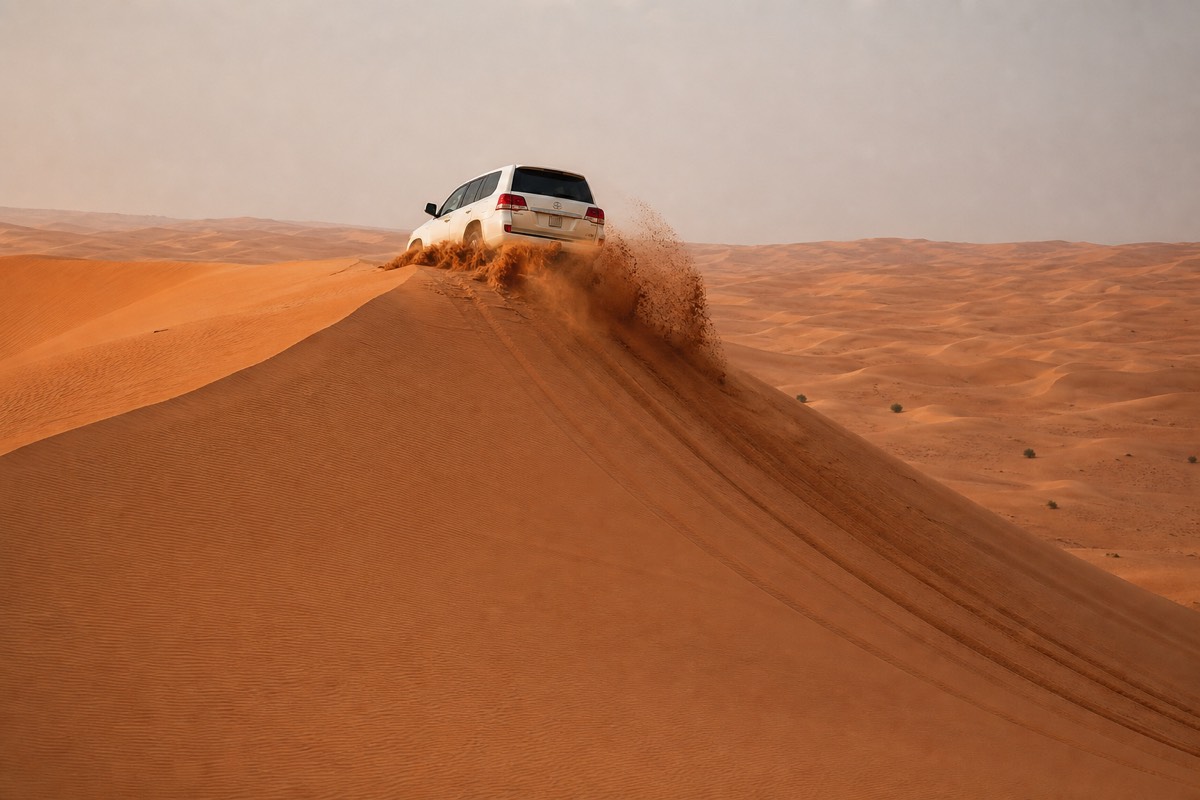
Local practice is firm on this point, and reputable operators travel prepared, with recovery gear, water and a second set of eyes on the sand. The sand also hides soft pockets that swallow a wheel without warning, which is exactly why momentum and line choice matter so much to someone who knows the terrain. For most travellers, handing that judgement to a professional is the whole point of booking.
If you do ride along on a dune-bashing session, ordinary sense still applies. Wear the seatbelt, hold the grab handle, and tell the driver at the start if anyone in the vehicle has a back problem or gets motion sick, so they can soften the route. A good driver adjusts the intensity to the group without being asked twice, and the run stays firmly in the fun column rather than the frightening one.
The dune-driving mishaps that make the news almost always involve independent drivers pushing beyond their skill, not guided guests in a professional's vehicle. That distinction is the heart of the matter. The activity is not inherently dangerous; doing it without the right training and backup is. Booking a trip essentially buys you out of the category where things go wrong.
Curious about leaving the dune driving to a local driver? Discover a Bidiyah-start 4x4 sunset outing with dinner.
Scheduled departures from Viator. Availability and final price are confirmed on Viator.
4 hours · Bidiyah meeting point, return to start
Camel riding costs extra. No overnight accommodation. Not recommended during pregnancy. Agree the meeting point before arranging transport.
How dangerous is the heat?
Heat is the risk people underrate most. From May to September daytime temperatures can reach 45°C to 50°C, enough to cause heat exhaustion within hours of exposure. Winter, roughly November to March, is far safer, with warm days near 28°C and cool nights. Carry more water than you think you need, whatever the season.
The desert gives no shade and little warning. Summer visitors should treat the middle of the day as off-limits for activity, sticking to early morning and after sunset. Even in the coolest months, the dry air pulls moisture out of you faster than you notice, so steady drinking, a hat and sunscreen matter year-round. Watch for the early signs in yourself and others: headache, dizziness, cramps, or a sudden stop in sweating.
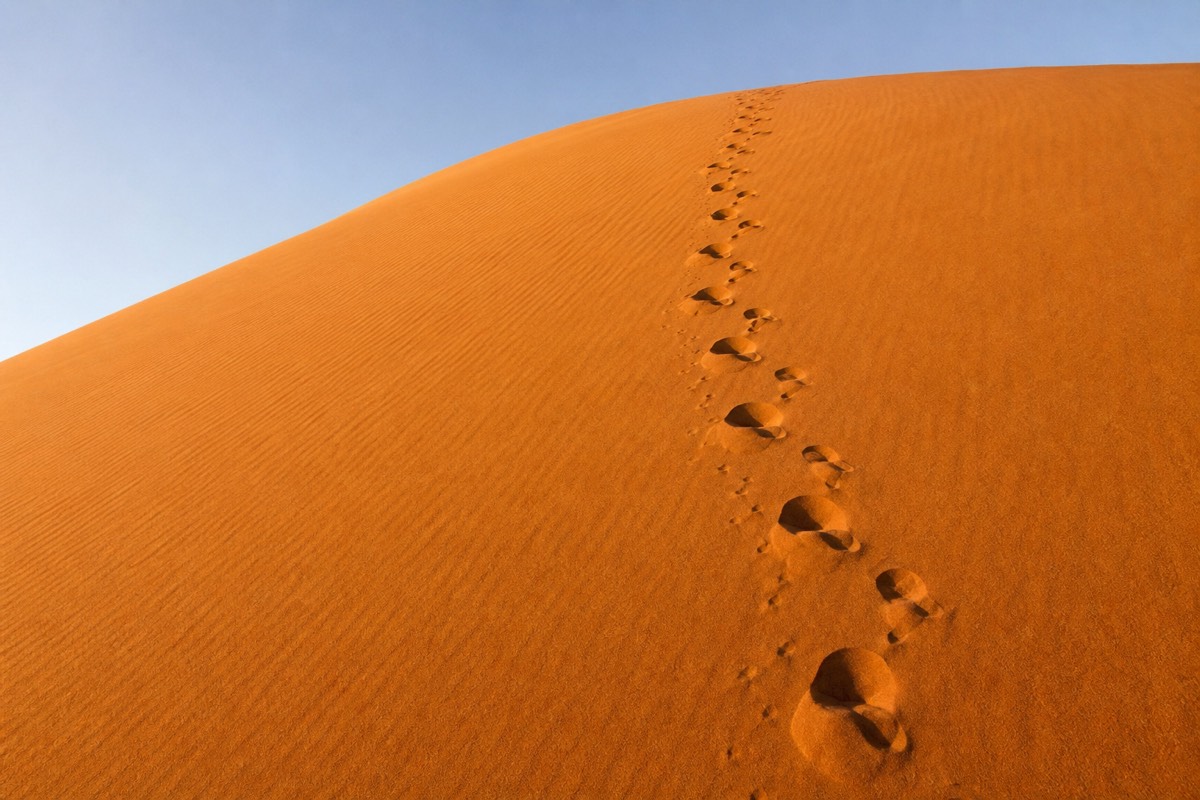
Moving into shade, drinking, and cooling down early keeps a rough afternoon from turning into a medical one. Children and older travellers feel the heat first, so pace them deliberately. Pick your season well and the heat becomes a manageable factor rather than the trip's defining hazard.
Nights swing the other way, which surprises people who only planned for the sun. After a warm afternoon the temperature can drop into the teens, so a layer and the blanket your camp provides are genuinely useful rather than decorative. Planning for both ends of the thermometer, hot by day and cool after dark, is a small habit that keeps the whole trip comfortable.
| Months | Daytime high | Heat risk | Advice |
|---|---|---|---|
| November to February | ~25 to 28°C | Low | Comfortable all day |
| March and October | ~30 to 37°C | Moderate | Start early, rest midday |
| April | Up to ~37°C | Rising | Dawn activity, plenty of water |
| May to September | 45°C or more | High | Dawn and dusk only, avoid midday |
The single most effective safety decision you can make is the calendar. Choosing the cool season over high summer does more to lower your risk than any gadget or precaution, because it removes the hazard that harms the most visitors. If you have any flexibility in when you travel, spend it here first, then worry about the smaller things.
We have not verified an itinerary that makes extreme-heat travel suitable. Choose your conditions and timing before considering a booking.
Is it safer to go with a guide?
Considerably. A local driver-guide knows the routes, deflates the tyres correctly, carries recovery gear and water, and can reach help if something goes wrong. Guided groups also travel together rather than as a lone vehicle. For the desert-driving part, an experienced guide removes almost all of the real danger.
This is where a booked trip earns its keep. The camps run tented accommodation with staff on site through the night, so you are never truly isolated, and the transfer in and out is handled by someone who drives this sand every day. The camps Wahiba Sands Tours works with keep staff on duty overnight, which reassures first-time desert campers more than anything else. There is also the simple matter of local knowledge: a guide who grew up around these dunes knows where the firm tracks run, which camps to trust, and how to read weather that can bring a rare burst of rain to the wadis nearby.
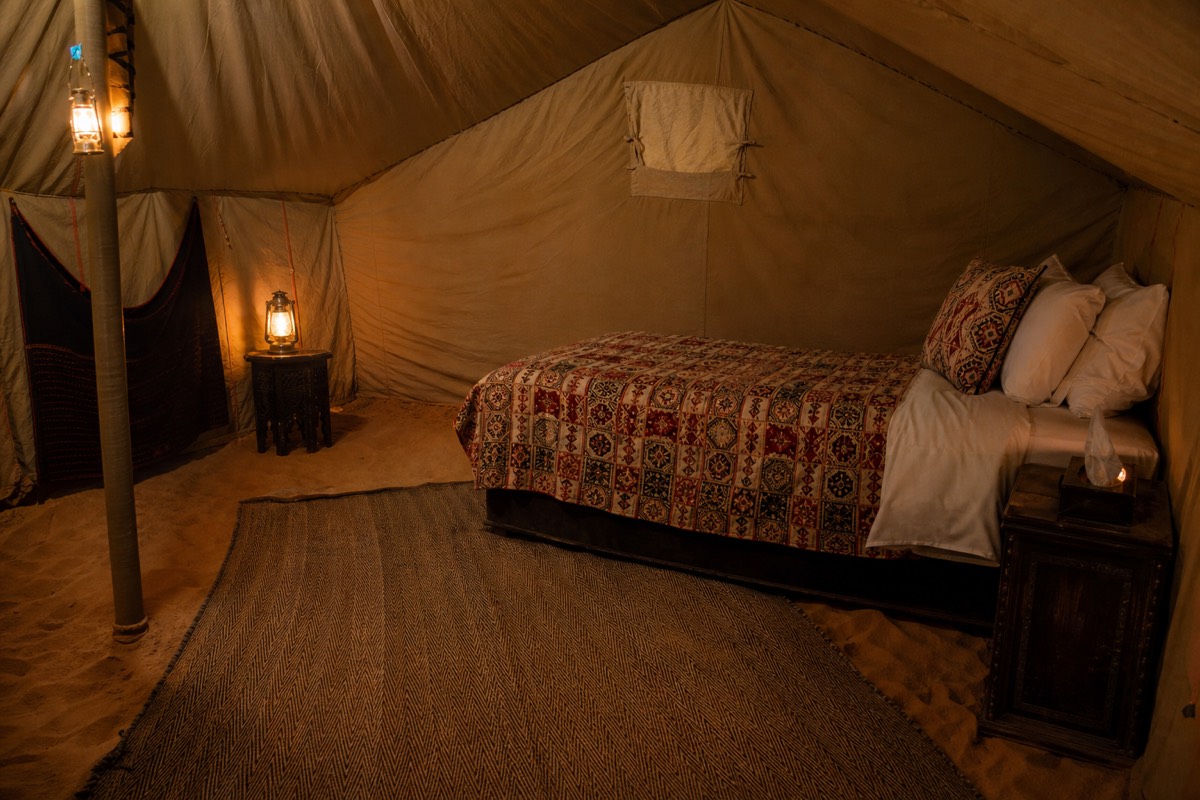
The contrast between doing it alone and going guided is stark once you lay it out. Almost every safety task shifts from your shoulders to someone trained to handle it.
| Safety task | Self-drive | Guided trip |
|---|---|---|
| Tyre pressure for the sand | You judge it | Handled correctly |
| Recovery if you get stuck | You, alone | Gear and a team on hand |
| Route and navigation | Your maps and signal | Local knowledge |
| Backup vehicle | None unless convoying | Group travels together |
| Water and supplies | Whatever you packed | Provided at camp |
That does not mean self-driving is reckless for everyone. Experienced off-roaders who go in a convoy, carry recovery gear and pick the cooler months manage the risk well. But for a first visit, or for families and solo travellers who would rather look at the dunes than read them, a guide converts the desert from a challenge into a simple day out.
Guides add a quieter kind of safety too, the social kind. Someone who knows the camps, the tracks and the local rhythm means you are never guessing about where to go or whom to ask. For solo travellers especially, that steady local presence turns a big, empty landscape into a place with a friendly hand nearby, which is worth as much as any piece of recovery gear.
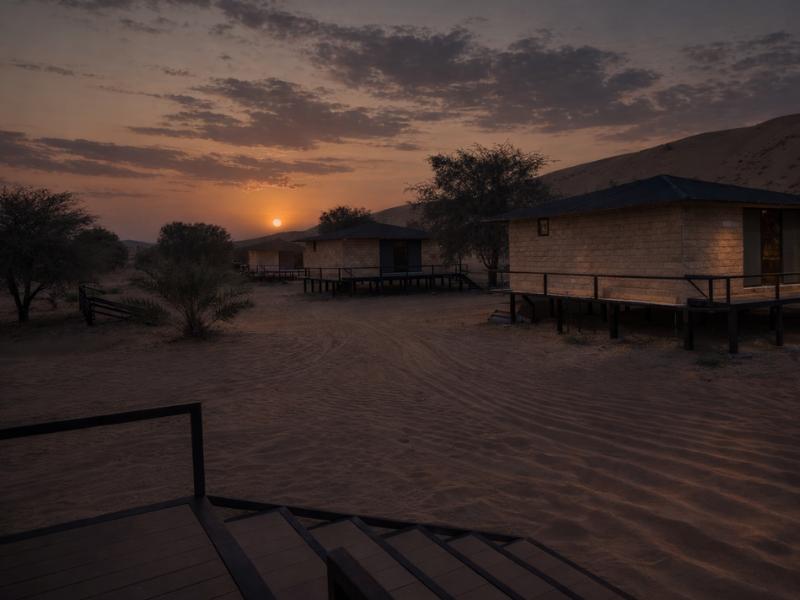
Plan for having the route and overnight organized together: check your date before arranging the rest of your trip. This option includes private Muscat transport and a standard camp room with dinner and breakfast.
Check Dates For The One-Night Camp Stay2 days, 1 night · Muscat pickup and return
Lunch and camel ride cost extra. Confirm your room and any mobility or child-seat requirements before booking.
Are the desert camps safe for families and solo women?
Generally, yes. Established camps are staffed overnight, clearly bounded, and used to hosting families and solo travellers. Oman's culture is famously courteous, and women travellers routinely report feeling comfortable. Bring sun protection and sturdy shoes, keep young children in sight on the dunes, and the night itself stays calm and quiet.
Families do well here as long as the driving is kept gentle for little ones, which any operator will do on request. Solo female travellers consistently describe Oman as one of the easier countries in the region, with respectful staff and a relaxed atmosphere at camp. The practical safety notes are ordinary ones: watch footing on soft dune faces, avoid wandering off alone into the sand after dark, and keep hydrated.
It helps to set expectations with children before you arrive: the camp is rustic, the toilets are simple at budget sites, and the entertainment is the sand itself, not a screen. Frame it that way and most kids take to it happily, chasing dune crests until they drop. None of these notes is unique to the desert, and none should put a cautious traveller off.
A few small habits smooth the night further. Keep a torch by your bed for the walk to the bathroom, shake out shoes in the morning as you would anywhere sandy and warm, and note where the camp staff are based in case you need them. These are the same low-key precautions you would take on any camping trip, and once they are second nature the desert night feels not just safe but deeply restful.
Parents often ask about the very young. Infants and toddlers can struggle with the heat and the long transfers, so many families with small children keep the visit short, or choose a nearby camp with easy access rather than a deep-desert site. School-age kids, by contrast, tend to thrive, and a gentle dune session plus a night under the stars is the kind of trip they remember for years.
Curious about checking a specific room-based overnight? Discover the named Desert Rose Camp itinerary, with family and room requirements to confirm.
Scheduled departures from Viator. Availability and final price are confirmed on Viator.
2 days, 1 night · Muscat pickup and return
Lunch and camel ride cost extra. Confirm your room and any mobility or child-seat requirements before booking.
How does the desert compare to Oman's everyday risks?
The biggest dangers in Oman are the same as in most countries: the roads. Long distances, fast highways and the odd camel or flash-flooded wadi cause far more harm than anything in the dunes. Drive to sensible speeds, avoid wadis after rain, and skip night driving, and you have handled the country's real hazards.
Perspective helps here. Travellers sometimes fixate on the exotic-sounding risk of the desert while overlooking the ordinary highway that gets them there. Oman's roads are good and well engineered, but the speeds are high and the distances long, so fatigue and overtaking are genuine concerns. Break the drive, share it if you can, and treat the journey with the same care you give the sand.
Two natural hazards round out the picture. Wadis can flash-flood after rain far upstream, so never camp in a dry riverbed or cross a flowing one, however shallow it looks. And livestock, especially camels, stray onto unlit roads at night, which is the single strongest reason to finish your driving before dark. Handle those and you have addressed the risks that actually feature in the numbers.
| Hazard | Where it applies | Simple precaution |
|---|---|---|
| Highway speed and fatigue | The drive out and back | Break the trip, do not rush |
| Camels on the road at night | Rural roads after dark | Avoid night driving |
| Flash flooding in wadis | Wadi Bani Khalid and others | Never cross or camp in a wet wadi |
| Sun and dehydration | Everywhere in the sands | Water, shade, cooler months |
This reframing tends to reassure nervous travellers. The desert sounds intimidating and the highway sounds mundane, yet the mundane one carries most of the actual risk. Give the drive the respect you might have reserved for the dunes, and the trip as a whole becomes about as safe as adventure travel gets.
A tour comparison cannot quantify personal risk against everyday life. Do not use a tour price or a private-vehicle label as evidence of safety.
What should I sort out before I go?
A short checklist covers most of it. Confirm your season, book travel insurance that includes off-road and medical evacuation, pack water and sun protection, tell someone your plans, and check the current advisory. Do those five things and the remaining risk is small enough that the desert becomes simply a beautiful place to be.
Preparation is what turns a potentially serious environment into an easy trip. None of it is expensive or difficult, and a guided booking handles half the list for you. Insurance is the one item travellers most often forget, and the one that matters most given how remote the sands are, so confirm your policy covers 4x4 and desert activities before you travel.
Everything on the list below is a five-minute job, and together they remove the sharp edges from a place that is, in truth, one of the safer adventures you can have in the region. Handle the season and the water, respect the driving, and Wahiba rewards you with a night most travellers rank among the best of their trip.
| Before you go | Why it matters |
|---|---|
| Pick the cooler months | Removes the single biggest risk, heat |
| Travel insurance with evacuation | Cover for the remote, off-road setting |
| Water and sun protection | Dehydration is the everyday hazard |
| Share your plans | Someone knows where you are |
| Check the current advisory | Up-to-date official guidance |
Handle those five items and you have covered the real hazards several times over. The desert asks for respect, not fear, and travellers who prepare sensibly almost always come home talking about the stars and the sunrise rather than anything that went wrong. Safety here is mostly a matter of good timing, enough water, and the humility to let a professional do the driving.
Plan for settling the route before the rest of the trip: check your date before arranging the rest of your trip. This option includes a Muscat camp-and-two-wadi option with its exact duration selected at booking.
Dates and booking provided by GetYourGuide. If the calendar cannot load, use the booking link below.
Check Dates For The Camp-And-Two-Wadi Trip2 to 3 days, depending on option · Muscat pickup and return
Confirm the selected option’s camp, meals and extras. Wadi Shab involves hiking and swimming; do not assume accessible trails.